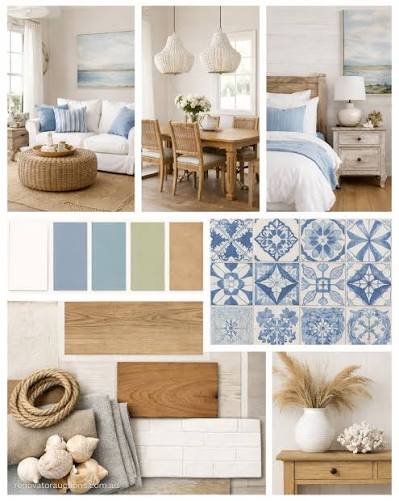

What Is a Mood Board?
A mood board is a visual collection of images, colors, textures, typography, patterns, and other creative elements that communicate the overall feeling of an idea or project. Designers, artists, marketers, and creative professionals use mood boards to explore possibilities and establish a clear visual direction before starting detailed work.
Rather than relying entirely on written descriptions, a mood board presents ideas in a visual format. It helps people understand the atmosphere, style, and personality that a project should convey.
For example, someone planning a modern living room might collect photographs of neutral furniture, wooden flooring, soft lighting, natural fabrics, and decorative accessories. Together, these elements communicate a particular interior design style more effectively than a simple list of preferences.
Mood boards are useful for personal projects as well as professional assignments. They can help with wedding planning, website design, fashion collections, product development, photography, marketing campaigns, and brand identity.
A well-organized mood board does more than look attractive. It creates a visual reference that guides decisions and helps everyone involved understand the intended result.
Why Is a Mood Board Important?
Starting a creative project without a clear direction can lead to confusion, unnecessary changes, and wasted time. A mood board helps solve this problem by bringing important visual ideas together before major decisions are made.
One of its main benefits is clarity. When colors, images, materials, and design references appear in one place, it becomes easier to recognize which elements work together and which ones do not.
Mood boards also encourage experimentation. You can compare different styles, test color combinations, and explore alternative concepts without committing to a final design too early.
Another advantage is improved communication. Designers can share a mood board with clients, colleagues, or collaborators to collect feedback and agree on a common direction.
For businesses, this process can be particularly valuable. A brand mood board helps establish a consistent visual identity across websites, advertisements, packaging, social media posts, and other marketing materials.
Different Types of Mood Boards
Mood boards can be adapted to almost any creative activity. Their appearance and content depend on the purpose of the project.
Interior Design Mood Board
An interior design mood board brings together furniture inspiration, paint colors, flooring, lighting, fabrics, and decorative objects. It helps homeowners and designers visualize how different elements might work together in a room.
For a contemporary living room, the board might feature warm wood, cream upholstery, black metal details, and soft ambient lighting. For a traditional bedroom, it could include rich fabrics, classic furniture, and deeper colors.
Interior design mood boards are particularly useful before purchasing furniture or choosing finishes because they provide a clearer picture of the intended style.
Brand Mood Board
A brand mood board communicates the personality and visual identity of a business. It may include a color palette, typography samples, photography styles, packaging references, graphic elements, and logo inspiration.
A luxury skincare brand might use muted colors, elegant typography, and natural textures. A playful children’s brand could feature bright colors, rounded lettering, and expressive illustrations.
The goal is to establish a recognizable visual direction that can be applied consistently across different platforms.
Fashion Mood Board
Fashion designers use mood boards to explore clothing styles, fabrics, silhouettes, colors, accessories, and seasonal inspiration.
A fashion mood board might focus on minimalist everyday clothing, vintage-inspired outfits, formal evening wear, or sustainable materials. Images of runway collections, street style, textile samples, and historical references can all contribute to the concept.
These boards help designers communicate a collection’s mood before selecting final garments and materials.
Website and Graphic Design Mood Board
A digital design mood board helps establish the visual direction of a website, application, or graphic design project.
It may contain website screenshots, interface references, font combinations, button styles, illustrations, photography, and color schemes. These examples help clarify whether the final design should feel modern, professional, playful, minimal, or luxurious.
Creating this visual reference before development can reduce misunderstandings and make design reviews more productive.
Wedding Mood Board
Wedding mood boards help couples organize their ideas for the ceremony and reception. Common elements include flower arrangements, table settings, invitations, lighting, clothing, venue decorations, and color combinations.
For example, a romantic outdoor wedding might use soft pink flowers, natural greenery, warm lighting, and delicate stationery.
A wedding mood board can also help planners, florists, decorators, and photographers work toward the same overall vision.
How to Create a Mood Board Step by Step
Creating a mood board does not require advanced design skills. A clear process can help you build a useful and visually appealing reference.
Step 1: Define Your Project Goal
Before collecting images, identify what you want the mood board to achieve. Decide whether you are designing a room, building a brand, planning an event, creating a website, or exploring a personal style.
Write down a few descriptive words that capture your intended direction. Words such as modern, calm, bold, natural, elegant, playful, or sophisticated can help guide your choices.
A clear objective prevents the board from becoming a random collection of attractive images that do not support the same idea.
Step 2: Gather Inspiration
Look for visual references that match your project’s purpose. Sources may include photography websites, design portfolios, magazines, product catalogues, personal photographs, and existing design projects.
Save images that communicate the feeling you want to achieve rather than choosing them only because they look attractive.
For a home renovation, you might collect room photographs, furniture details, flooring examples, and fabric samples. For a brand project, you could focus on packaging, typography, photography, and color combinations.
Keep the collection manageable so you can identify the strongest ideas more easily.
Step 3: Choose a Color Palette
Color has a major influence on the atmosphere of a design. Select a few complementary colors that reflect the intended mood.
Neutral shades often communicate simplicity and calmness, while bold colors can create energy and visual impact. Earthy tones may suggest warmth and a connection with nature.
Try to identify a dominant color, supporting shades, and one or two accent colors. The exact combination will depend on your project.
A consistent palette makes the mood board feel more cohesive and helps guide later design decisions.
Step 4: Add Textures, Fonts, and Materials
Images are important, but other visual elements can make the board more informative. Include material samples, typography references, patterns, and surface textures where appropriate.
For interior design, this might mean linen, stone, timber, metal, or ceramic finishes. For branding, it could include font styles, packaging materials, and graphic patterns.
These details provide a more complete picture of the intended result and help communicate subtle differences between similar concepts.
Step 5: Arrange the Elements Carefully
Place the strongest reference images where they are easy to notice. Group related elements together and leave enough space between items to prevent the board from feeling overcrowded.
You can use a grid for a clean, organized appearance or an overlapping collage for a more expressive style.
Try different arrangements until the visual flow feels natural. The board should communicate a clear direction without requiring a lengthy explanation.
Step 6: Review and Refine Your Mood Board
Once the first version is complete, review the entire collection. Ask whether the images support the original goal, whether the colors work together, and whether any elements feel out of place.
Remove unnecessary references and replace weaker examples with more relevant ones.
If the board is intended for a client or team, share it for feedback before moving into detailed design work. This gives everyone an opportunity to discuss the direction while changes are still relatively easy to make.
Best Tools for Creating a Digital Mood Board
Digital mood boards are convenient because they can be edited, shared, and updated without printing photographs or arranging physical materials.
Canva is a useful option for beginners who want to arrange images, add text, select colors, and create a polished layout using templates.
Pinterest is helpful for discovering and collecting visual inspiration. Users can organize references into boards based on a project, style, or theme.
Adobe Express offers design tools for creating visual layouts and combining images with text and graphic elements.
Figma can be useful for collaborative design projects, particularly when mood boards are part of a larger website or interface design process.
You can also create a simple mood board using presentation software or a document editor. The best tool is the one that allows you to organize references clearly and share the result with the people involved.
When using online images, pay attention to copyright and licensing. Inspiration does not automatically grant permission to reproduce photographs, illustrations, or other creative work in commercial materials.
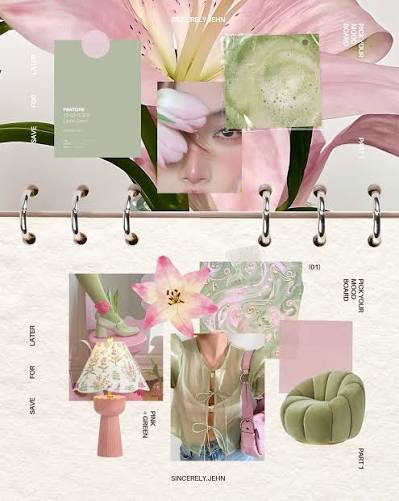
Physical Mood Board vs. Digital Mood Board
Both physical and digital mood boards have advantages. The right choice depends on the project and the way you prefer to work.
A physical mood board uses printed images, fabric samples, paint cards, paper, and other tangible materials. It can be especially useful for interior design, fashion, and projects where texture and material quality matter.
A digital mood board is easier to update and share. It also allows you to collect references from different sources and arrange them in many different ways.
Digital boards are often practical for remote collaboration because several people can review the same visual direction without meeting in person.
Some designers combine both methods. They begin with a digital collection of ideas and then create a physical board to compare materials, finishes, and colors in real life.
Creative Mood Board Ideas for Inspiration
If you are unsure where to begin, choose a theme that reflects the feeling you want to communicate.
A minimalist mood board could include clean lines, simple shapes, white space, neutral colors, and understated typography.
A nature-inspired mood board might combine forest photography, earthy greens, warm browns, organic patterns, and natural materials.
A luxury mood board could use refined typography, rich textures, carefully selected photography, and a restrained color palette.
For a vintage-inspired project, consider historical photographs, classic lettering, muted colors, old packaging, and retro patterns.
A modern creative mood board might combine geometric shapes, contemporary architecture, bold typography, and contrasting colors.
The key is consistency. Every image and design element should contribute to the same overall concept, even when the individual references come from different sources.
Common Mood Board Mistakes to Avoid
One common mistake is including too many unrelated images. A crowded board can make it difficult to understand the intended direction.
Another problem is choosing references without considering the project’s actual requirements. An attractive image may not be practical for a particular budget, room size, product, or target audience.
Inconsistent colors and competing typography styles can also weaken the overall presentation. While contrast can be useful, it should support the concept rather than create confusion.
It is equally important to distinguish inspiration from the final design. A mood board communicates an intended style, but it does not necessarily show the exact appearance of the finished product.
Finally, avoid presenting an early concept as a completed plan. Use the board to explore possibilities, collect feedback, and refine the direction before making final decisions.
Mood Board Best Practices for Professional Results
A professional mood board should have a clear purpose and a recognizable visual structure. Start with a short project description, then select references that directly support the intended direction.
Use high-quality images whenever possible and avoid unnecessary repetition. A few meaningful references are often more effective than dozens of similar pictures.
Keep the color palette consistent and make sure the visual elements complement one another. If the board includes text, use it to explain important choices rather than filling every available space.
For client presentations, add brief notes to clarify why particular images, colors, or materials were selected. This can make discussions more focused and help stakeholders provide useful feedback.
It is also helpful to save different versions of the board when exploring multiple concepts. Comparing two or three distinct directions can make it easier to choose the approach that best supports the project.
Conclusion: Create a Mood Board That Brings Your Ideas to Life
A mood board is a practical tool for transforming scattered inspiration into a clear visual direction. Whether you are planning a home renovation, developing a brand, designing a website, creating a fashion collection, or organizing a wedding, it helps you explore ideas before committing to the final result.
By defining your goal, collecting relevant references, choosing a consistent color palette, and arranging elements carefully, you can create a mood board that communicates your vision effectively.
Digital tools make the process accessible to beginners, while physical materials can provide additional value when texture and color accuracy matter.
The most effective mood board is not necessarily the most complicated one. It is the one that communicates the right feeling, supports practical decisions, and helps everyone involved understand what the finished project should achieve.
Frequently Asked Questions About Mood Boards
What is the main purpose of a mood board?
The main purpose of a mood board is to communicate a project’s visual direction. It brings together images, colors, textures, fonts, and other references to establish a consistent style before detailed work begins.
How do beginners make a mood board?
Beginners can start by defining a project goal, collecting relevant images, choosing a small color palette, and arranging the elements in a digital tool such as Canva. Reviewing and removing unrelated references helps improve the final result.
Which app is best for creating a mood board?
Canva is a convenient starting point for beginners. Pinterest is useful for collecting inspiration, while Adobe Express and Figma can support more structured design and collaboration workflows.
What should a mood board include?
A mood board may include photographs, colors, typography, textures, patterns, materials, illustrations, and short notes. The specific elements depend on the project.
What is the difference between a mood board and a vision board?
A mood board usually focuses on the visual direction of a creative project, such as a room, brand, or website. A vision board more commonly represents personal goals, aspirations, and desired future experiences.
Can I create a mood board for interior design?
Yes. An interior design mood board can include furniture, paint colors, flooring, lighting, fabric samples, decorative accessories, and photographs of rooms that reflect your preferred style.
Are digital mood boards better than physical mood boards?
Neither format is universally better. Digital mood boards are easy to edit and share, while physical boards are useful for comparing real materials, textures, and finishes. The best choice depends on the project.
How many images should a mood board have?
There is no fixed number. Include enough images to communicate the concept clearly, but remove repetitive or unrelated references. A focused collection is generally easier to understand than an overcrowded board.
Is a mood board necessary for every design project?
A mood board is not essential for every project, but it can be valuable when several visual directions are possible or when multiple people need to agree on a style before work begins.
Can mood boards be used for business branding?
Yes. Brand mood boards help businesses establish a consistent visual identity through colors, typography, photography, graphic elements, and packaging references.