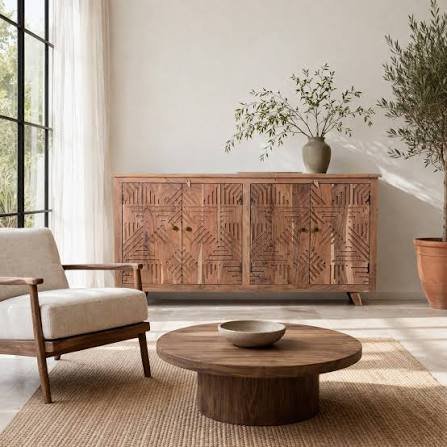

Introduction to Acacia Wood
Acacia wood has become a popular choice for furniture, flooring, home accessories, and outdoor projects. Known for its attractive grain patterns, rich natural colors, and impressive strength, this hardwood offers a combination of beauty and practicality. Its appearance can range from golden honey tones to deeper reddish-brown shades, making it suitable for both traditional and contemporary interiors.
One of the reasons homeowners, designers, and furniture manufacturers appreciate acacia wood is its natural durability. When properly processed and maintained, it can serve as a long-lasting material for everyday use. It is also available in different varieties, each with its own characteristics and applications.
Whether used for a dining table, kitchen countertop, decorative shelving, or garden furniture, acacia wood provides a distinctive natural appearance that can make ordinary spaces feel more inviting.
What Is Acacia Wood?
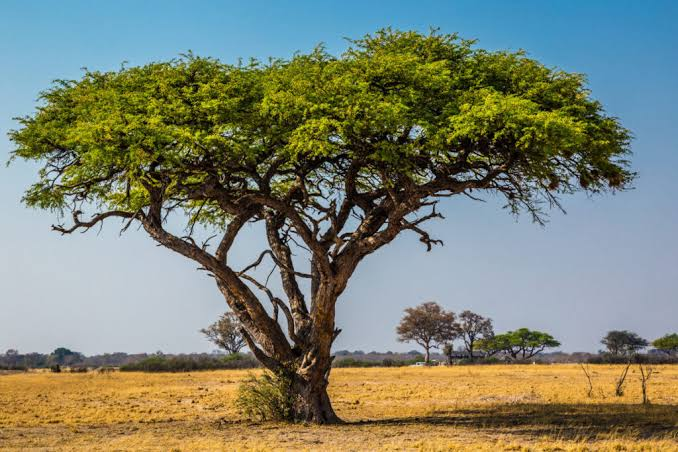
Acacia wood comes from trees belonging to the Acacia genus and closely related botanical groups. These trees grow in different parts of the world, including Australia, Africa, and Asia. Depending on the species and growing conditions, the resulting timber can have different colors, grain patterns, densities, and mechanical properties.
The wood is generally recognized for its hardness and attractive natural texture. Some varieties have straight grain patterns, while others display irregular patterns that create a unique appearance.
Acacia has been used for centuries in furniture making, construction, agricultural tools, and decorative applications. Today, it remains an appealing option for manufacturers looking for hardwood with both functional and aesthetic qualities.
Key Characteristics of Acacia Wood
One of the most recognizable features of acacia wood is its natural appearance. Its color variations make every finished piece slightly different, adding character to furniture and interior spaces.
Durability is another important characteristic. Many acacia species produce dense hardwood that can withstand regular household use. This makes the material suitable for tables, chairs, cabinets, and other furniture that experiences frequent handling.
Its natural hardness also contributes to resistance against everyday scratches and surface damage, although the actual performance depends on the species, finish, and quality of construction.
Acacia wood can be polished, stained, sanded, and finished in different ways. Manufacturers often use protective oils or clear coatings to enhance the grain and preserve the original color.
Popular Uses of Acacia Wood
Acacia wood is suitable for a wide range of residential and commercial applications.
Furniture: Dining tables, coffee tables, bed frames, chairs, cabinets, and bookshelves are common examples. Its attractive grain makes it particularly appealing for furniture with visible wooden surfaces.
Flooring: Certain acacia varieties are used for hardwood flooring. Their rich colors and distinctive grain patterns can add warmth and character to living rooms, bedrooms, and other interior spaces.
Kitchen Accessories: Cutting boards, serving trays, bowls, and countertops are also made from acacia. Its dense structure makes it useful for many kitchen applications, provided the products are properly finished and maintained.
Outdoor Furniture: Some acacia species are used for garden furniture, benches, and patio tables. However, outdoor applications require suitable protective treatments and regular maintenance.
Decorative Items: Picture frames, wall shelves, wooden ornaments, and handcrafted accessories are additional examples of how this material can be used.
Advantages of Choosing Acacia Wood
Acacia wood offers several advantages that make it attractive to homeowners and furniture manufacturers.
Its first major advantage is its natural beauty. The combination of warm colors and distinctive grain patterns creates an elegant appearance without requiring complicated decorative treatments.
Another benefit is its strength. Many varieties are dense and hard, making them suitable for furniture designed to handle regular use. Properly constructed acacia furniture can remain functional for many years.
The material also offers considerable design flexibility. It can complement rustic, modern, farmhouse, industrial, and traditional interior styles.
Additionally, acacia is available through different timber suppliers and furniture manufacturers around the world. This provides buyers with several options depending on their budget, preferred appearance, and intended application.
Is Acacia Wood Good for Furniture?
Yes, acacia wood can be an excellent material for furniture. Its hardness, attractive grain, and natural strength make it suitable for products that combine everyday functionality with visual appeal.
Dining tables made from acacia are particularly popular because the natural patterns create an attractive tabletop. Coffee tables and sideboards can also benefit from its warm appearance.
For bedroom furniture, acacia can be used for bed frames, bedside tables, wardrobes, and decorative cabinets. Its appearance works especially well when combined with neutral wall colors, natural fabrics, and simple interior accessories.
However, buyers should consider the quality of the timber, construction, joints, and surface finish before making a purchase. Good-quality wood alone does not guarantee well-made furniture.
Acacia Wood vs. Other Hardwood Types
Acacia is often compared with teak, oak, walnut, and mahogany because these materials are also used in furniture manufacturing.
Teak is particularly valued for its natural oils and outdoor durability. Acacia can provide an attractive alternative for certain furniture applications, although it does not automatically offer the same weather resistance.
Oak is known for its recognizable grain and versatility. Compared with oak, acacia often has more dramatic color variations and contrasting patterns.
Walnut generally offers darker brown tones and a premium appearance. Acacia is usually preferred when buyers want warmer golden or reddish colors.
Mahogany is appreciated for its traditional appearance and workability. Acacia provides a different visual character, with greater variation between species.
The best choice depends on the intended use, budget, availability, and personal design preferences.
How to Maintain Acacia Wood
Proper maintenance helps preserve the natural appearance and functionality of acacia furniture.
Regular dusting with a soft, dry cloth is a simple way to prevent dirt from accumulating. For occasional cleaning, use a slightly damp cloth and dry the surface afterward.
Avoid leaving standing water on wooden furniture for extended periods. Although acacia is relatively durable, prolonged moisture exposure can cause damage, staining, or changes in the wood.
Direct sunlight can gradually affect the natural color. Positioning furniture away from intense sunlight can help maintain a more consistent appearance.
For products finished with oil, periodic reapplication may be recommended according to the manufacturer’s instructions. Finished furniture should be maintained using products compatible with its existing coating.
Using coasters, placemats, and protective pads can also reduce scratches and heat marks.
Is Acacia Wood Environmentally Friendly?
Acacia can be a responsible timber choice when it comes from well-managed forests and legally sourced plantations. Some acacia species grow relatively quickly and are cultivated for timber production.
However, environmental responsibility depends on more than the tree species. Buyers should consider harvesting practices, transportation, processing, and the origin of the wood.
Certifications such as those offered by the Forest Stewardship Council (FSC) can help consumers identify products sourced through verified responsible forestry systems.
Choosing durable furniture that can be repaired and used for many years is another practical way to reduce unnecessary replacement and material waste.
Potential Disadvantages of Acacia Wood
Despite its advantages, acacia wood is not perfect for every application.
Its density can make cutting, shaping, and installation more challenging than working with softer timber. This can also influence manufacturing costs.
Color variations may be attractive to some buyers but unsuitable for those who prefer a completely uniform finish. Different boards from the same product range may display noticeable differences in grain and shade.
Acacia can also react to changes in humidity and temperature. Poor drying, improper installation, or inadequate maintenance may contribute to warping or cracking.
Outdoor furniture requires particular attention because prolonged exposure to rain, moisture, and sunlight can affect its condition.
Understanding these limitations helps buyers select the right product and avoid unrealistic expectations.
Conclusion
Acacia wood is a versatile hardwood that combines natural beauty, strength, and practical functionality. Its attractive grain patterns and warm color variations make it an excellent option for furniture, flooring, kitchen accessories, and decorative projects.
Although its performance varies between species and depends on proper processing, finishing, and maintenance, quality acacia products can provide long-term value. For homeowners and designers looking for distinctive natural materials, acacia wood offers an appealing balance between appearance and everyday usability.
Frequently Asked Questions About Acacia Wood
1. Is acacia wood a hardwood?
Yes, acacia is generally classified as hardwood because it comes from broad-leaved trees.
2. Is acacia wood durable?
Many acacia species are dense and durable, making them suitable for furniture and other everyday applications.
3. Is acacia wood expensive?
Its price depends on the species, quality, origin, availability, and manufacturing process.
4. Is acacia wood waterproof?
No, acacia is not completely waterproof. Protective finishes can improve its resistance to moisture.
5. Is acacia wood suitable for outdoor furniture?
Yes, certain varieties can be used outdoors when properly treated and maintained.
6. Does acacia wood scratch easily?
Its hardness provides good resistance to everyday scratches, but sharp objects and heavy impacts can still damage the surface.
7. What color is natural acacia wood?
Natural acacia can feature golden, honey, yellowish-brown, reddish-brown, and darker brown tones.
8. Is acacia wood good for dining tables?
Yes, its strength and distinctive grain patterns make it a popular choice for dining tables.
9. How long does acacia wood furniture last?
With quality construction and proper care, acacia furniture can last for many years.
10. How should acacia wood be cleaned?
Use a soft cloth, mild cleaning methods, and avoid leaving excess water on the surface.