
What Is Vitamin T?
Vitamin T is an interesting nutritional term that has attracted attention because of its unusual name and historical connection to nutrition. Most people are familiar with vitamins A, B, C, D, E, and K, but Vitamin T is less widely understood. When people encounter this term, they often wonder whether it is an essential nutrient, what foods contain it, and whether it offers specific health benefits.
Unlike commonly recognized vitamins, Vitamin T is not an officially established essential vitamin in modern human nutrition. The term appeared in older nutritional research and was associated with certain growth-promoting substances found in materials such as termites, yeast, and molds. Historical descriptions also connected it with protein utilization and other biological activities.
Today, the phrase can have different meanings depending on the context. Some sources use it when discussing an old nutritional concept, while others associate it with commercial supplements or informal references to testosterone. These meanings should not be confused with one another.
Understanding Vitamin T requires looking at its background, the scientific discussion surrounding it, and the difference between historical nutritional terminology and modern dietary science.
The History and Discovery of Vitamin T
The history of Vitamin T goes back to early nutritional investigations during the twentieth century. Researchers were interested in discovering substances that could influence growth, development, and the use of nutrients in living organisms.
During this period, scientists investigated different materials obtained from insects, microorganisms, and natural food sources. Some early observations suggested that particular extracts contained growth-promoting factors. These findings contributed to the historical use of the name Vitamin T.
One important name associated with this subject is Goetsch, whose early research described a substance connected with the development of termites. The historical terminology was also associated with Torula yeast and other biological materials.
However, the early research did not establish Vitamin T as a clearly defined essential nutrient for humans. Later nutritional knowledge showed that the historical term did not represent one universally recognized vitamin with an established daily requirement.
This distinction is important because scientific discoveries often change as research methods improve. A substance initially described using a particular nutritional name may later be understood as a mixture of different compounds rather than a single vitamin.
Is Vitamin T a Real Vitamin?
One of the most common questions about Vitamin T is whether it qualifies as a real vitamin. The answer requires understanding how nutrition experts define essential vitamins.
A vitamin is generally an organic compound that the human body needs in relatively small amounts to support normal biological functions. These nutrients play important roles in metabolism, immune function, tissue development, blood formation, and other processes.
Recognized vitamins have established chemical identities, known biological functions, and scientifically documented nutritional requirements. Some also have well-understood deficiency conditions.
Vitamin T does not meet the same established criteria. It is not included among the recognized essential vitamins required by the human body. There is also no officially established recommended daily intake for Vitamin T.
The historical term is therefore better understood as an older nutritional designation rather than a standard vitamin category.
This does not mean that the foods historically associated with Vitamin T have no nutritional value. Sesame seeds, eggs, and other nutritious foods contain various beneficial nutrients. However, their nutritional properties should be explained through established scientific evidence rather than unsupported claims about Vitamin T.
Possible Food Sources Associated With Vitamin T
Vitamin T has historically been associated with several natural materials and foods. Sesame seeds and egg yolks are frequently mentioned in popular discussions of this subject.
Sesame seeds are particularly interesting because they contain healthy fats, plant protein, fiber, and several minerals. They are commonly used in different cuisines and can be included in a balanced diet in various forms.
Tahini, which is made from ground sesame seeds, is another popular food. It is used in sauces, spreads, dressings, and traditional dishes. Its nutritional composition makes it a useful addition to many meals.
Egg yolks also contain several important nutrients. They provide fats, choline, vitamin A, vitamin D, vitamin B12, and other compounds that contribute to normal nutritional health.
However, it is important to understand that these foods are not established sources of an officially recognized Vitamin T requirement. Their value comes from their known nutritional composition.
A balanced diet that includes different food groups is a more reliable approach to obtaining essential nutrients than relying on a poorly defined nutritional term.
Understanding the Claimed Benefits of Vitamin T
Different historical and popular sources have associated Vitamin T with several potential health benefits. These claims have included support for growth, protein utilization, blood development, and general physical development.
However, there is limited reliable scientific evidence establishing these effects in humans. Vitamin T is not a recognized essential nutrient, and its historical description does not provide sufficient evidence to support modern health claims.
Some discussions connect the term with memory, concentration, and healthy blood cells. These associations should be treated cautiously because they have not been established through strong modern human clinical research.
Instead of looking for benefits from an unverified vitamin category, individuals should focus on nutrients with recognized biological functions.
For example, vitamin B12 supports normal red blood cell formation and nervous system function. Folate contributes to DNA synthesis and cell division, while iron is essential for the production of hemoglobin.
These nutrients have well-documented roles in human health and can be obtained through appropriate dietary choices.
Vitamin T and Its Connection With Protein Utilization
One of the interesting aspects of historical Vitamin T research is its reported connection with protein utilization. Protein is an essential macronutrient that supports muscle development, tissue repair, enzyme production, and numerous other biological processes.
The human body breaks dietary protein into amino acids, which are then used to maintain and build different tissues. These processes depend on several nutrients and biological systems working together.
Early nutritional investigations explored whether certain substances obtained from insects, yeast, and other biological materials could influence protein utilization.
Although these historical findings contributed to the Vitamin T terminology, they did not establish a specific human nutritional requirement.
Today, protein nutrition is understood through established research involving amino acids, digestion, metabolism, and overall dietary intake.
Foods such as eggs, fish, chicken, dairy products, beans, lentils, and nuts provide protein that can contribute to a balanced eating pattern.
The Difference Between Vitamin T and Testosterone Supplements
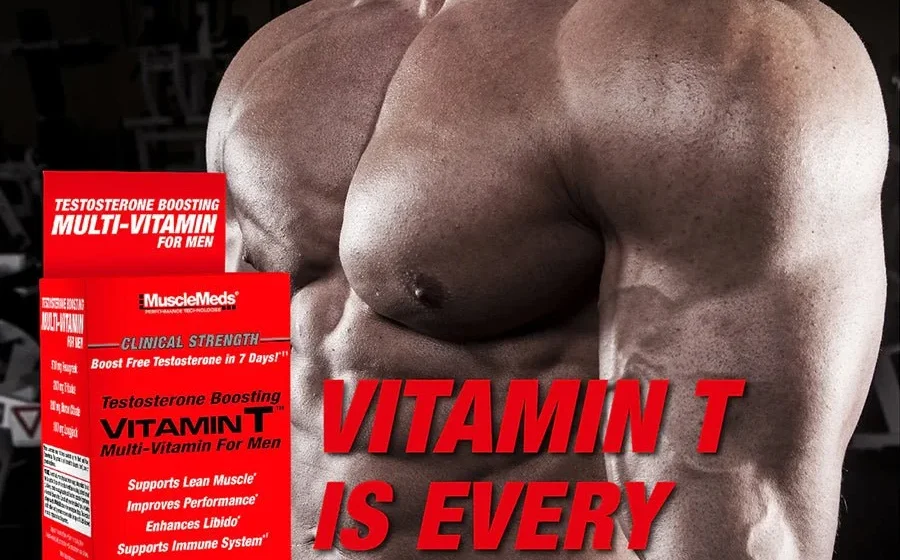
Another reason people search for Vitamin T is its association with testosterone. In fitness communities and supplement marketing, the letter T is sometimes used as an informal reference to testosterone.
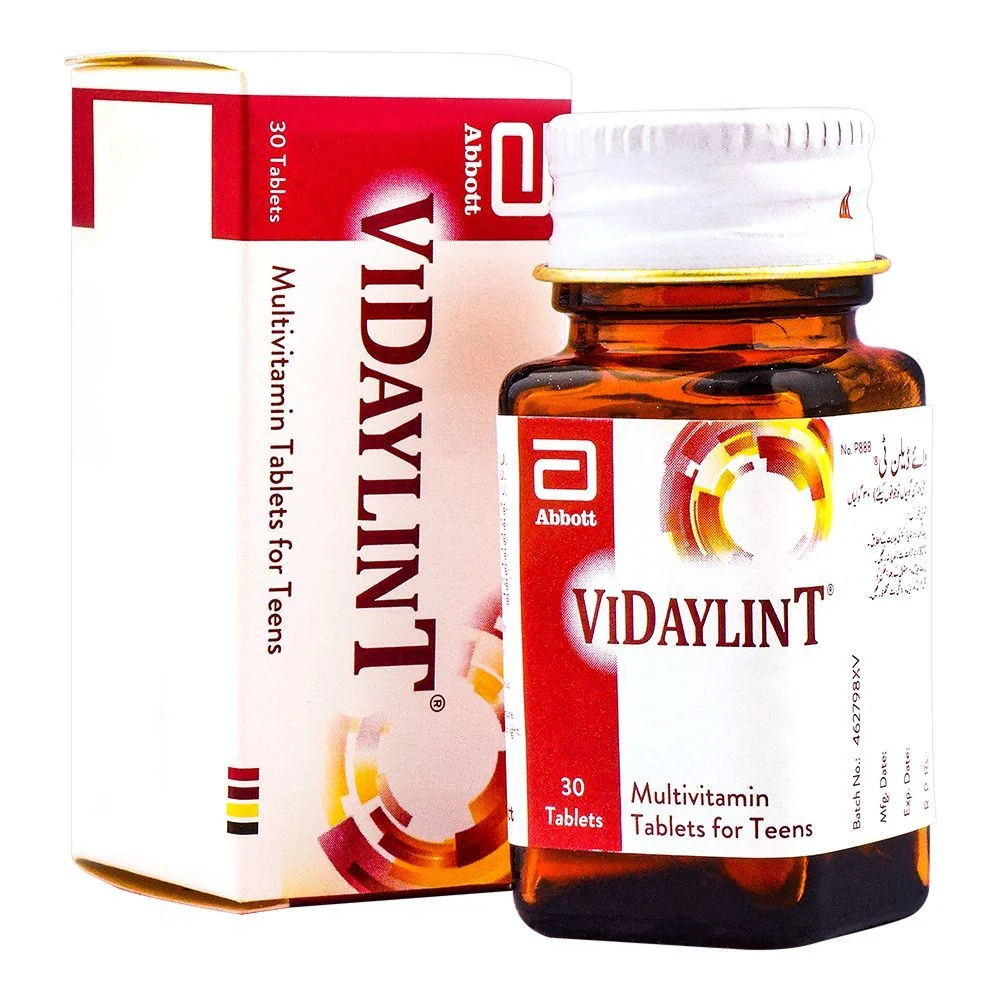
Some commercial products use names such as Vitamin T to attract consumers interested in men’s health, muscle development, energy, and physical performance.
These products are not necessarily related to the historical nutritional concept of Vitamin T. They may contain combinations of vitamins, minerals, plant extracts, and other ingredients.
It is important to examine the ingredient list rather than relying on a product name. A supplement marketed for testosterone support should not automatically be assumed to increase testosterone levels or improve athletic performance.
Testosterone is a hormone that plays an important role in several bodily functions, including muscle development, bone health, and reproductive health.
Anyone experiencing symptoms that may indicate a hormonal problem should seek appropriate medical evaluation instead of relying on products with impressive marketing claims.
The Future of Vitamin T Research
The history of Vitamin T demonstrates how scientific understanding develops over time. Early researchers explored many substances that appeared to influence growth and biological activity.
Some of these discoveries eventually became important parts of modern nutrition, while others remained historical terms that were never established as essential human nutrients.
Today, nutritional science uses more advanced laboratory methods, clinical studies, and controlled research to evaluate the effects of different compounds.
Future research may continue to investigate substances mentioned in older nutritional literature. However, any new health claim would require reliable evidence before becoming part of accepted nutritional guidance.
For consumers, the most important lesson is to distinguish between scientific findings, historical descriptions, commercial marketing, and personal opinions.
Conclusion: Understanding the Truth About Vitamin T
Vitamin T is an unusual nutritional term with an interesting history. It was associated with early research into growth-promoting substances found in biological materials such as termites and yeast.
Although the term still appears in nutritional discussions, it is not recognized as an essential human vitamin. Its historical associations with protein utilization and other biological activities should not be confused with proven health benefits.
Foods such as sesame seeds and eggs remain valuable parts of a balanced diet because they provide established nutrients. However, there is no scientifically established daily requirement for Vitamin T.
The term also appears in modern supplement marketing and informal references to testosterone, making it important to understand the context in which it is used.
Ultimately, good nutritional health depends on reliable information, balanced eating habits, and evidence-based decisions. Understanding what Vitamin T actually means helps consumers avoid misleading claims and make more informed choices about their health.
Frequently Asked Questions (FAQs)
1. What is Vitamin T?
Vitamin T is a historical nutritional term associated with growth-promoting substances found in materials such as termites, yeast, and molds. It is not recognized as an essential human vitamin.
2. Is Vitamin T a real vitamin?
No. Vitamin T is not included among the officially recognized essential vitamins required for human health.
3. Which foods contain Vitamin T?
Sesame seeds and egg yolks are commonly associated with Vitamin T in popular nutritional discussions. However, they are not established sources of a recognized Vitamin T requirement.
4. What are the benefits of Vitamin T?
Historical claims have connected it with growth and protein utilization. However, there is insufficient modern human research to establish specific health benefits.
5. Is Vitamin T related to testosterone?
The letter T is sometimes used informally to refer to testosterone. Some commercial supplements also use the name Vitamin T, but this is different from the historical nutritional term.
6. Can Vitamin T improve muscle growth?
There is no reliable evidence that the historical substance called Vitamin T independently improves muscle growth in humans.
7. Is Vitamin T available as a supplement?
Some commercial products use Vitamin T as a product name. Their ingredients and intended uses vary, so consumers should examine the label carefully.
8. Do I need Vitamin T supplements?
There is no established human daily requirement for Vitamin T. A balanced diet and evidence-based nutritional guidance are more appropriate than purchasing supplements based on this term.