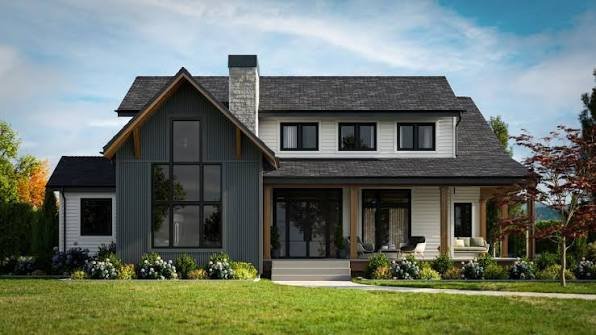

Vinyl siding is one of the most popular exterior materials used in residential construction, particularly in the United States. Homeowners choose it because it offers an attractive appearance, requires relatively little maintenance, and is available in a wide range of colors, textures, and designs. Whether someone is building a new house or renovating an existing property, vinyl siding can provide a practical way to improve the exterior appearance and protect the structure from everyday weather conditions.
Unlike traditional wood siding, vinyl siding does not require regular painting or staining. It is manufactured primarily from polyvinyl chloride (PVC), a durable plastic material designed for outdoor applications. Modern manufacturing techniques have also made vinyl siding available in styles that resemble natural wood, making it suitable for traditional and contemporary homes.
Understanding its advantages, disadvantages, installation requirements, and maintenance needs can help homeowners decide whether vinyl siding is the right choice for their property.
What Is Vinyl Siding?
Vinyl siding is an exterior wall covering manufactured from polyvinyl chloride, commonly known as PVC. It is installed over the exterior walls of residential buildings to improve appearance and provide an additional protective layer.
The material is designed to withstand different weather conditions, including rain, sunlight, and moderate temperature changes. Most vinyl siding products consist of interlocking panels that are attached to the exterior structure using nails or other approved fastening systems.
One of the biggest reasons for its popularity is versatility. Homeowners can choose from different colors, thicknesses, panel profiles, and surface finishes to match their architectural preferences.
Different Types of Vinyl Siding
Vinyl siding comes in several styles, each offering a different appearance and design advantage.
Horizontal Vinyl Siding
Horizontal siding is among the most common options for residential properties. The panels are installed horizontally across exterior walls, creating a traditional and clean appearance.
Vertical Vinyl Siding
Vertical vinyl siding features panels installed from top to bottom. It is often used for modern architectural designs, garages, barns, and decorative exterior sections.
Dutch Lap Vinyl Siding
Dutch lap siding features a distinctive overlapping design that creates subtle shadow lines. It gives homes a traditional appearance while maintaining the practical benefits of vinyl.
Board and Batten Vinyl Siding
Board and batten siding uses alternating wide panels and narrow vertical strips. This style is particularly popular for farmhouse-inspired homes and contemporary exterior designs.
Shake and Shingle Vinyl Siding
These panels imitate the appearance of natural wood shakes and shingles. They are commonly used on gables, accent walls, and decorative sections of residential buildings.
Benefits of Vinyl Siding
Vinyl siding offers several advantages that make it an attractive exterior material.
1. Low Maintenance Requirements
One of the biggest benefits of vinyl siding is its relatively low maintenance. Unlike wood siding, it does not need regular painting, staining, or sealing. Routine cleaning with water and a suitable cleaning solution is usually sufficient to maintain its appearance.
2. Affordable Exterior Solution
Vinyl siding is generally more affordable than several alternative exterior materials, including natural stone, brick veneer, and some fiber cement products. Its installation can also be relatively straightforward when performed by experienced contractors.
3. Wide Range of Designs
Homeowners can choose from numerous colors, textures, and panel styles. Some products are designed to replicate the appearance of wood, allowing homeowners to achieve a traditional exterior without the maintenance associated with natural timber.
4. Moisture Resistance
Vinyl siding does not absorb moisture like untreated wood. This makes it useful in areas exposed to regular rainfall and humidity. However, proper installation and moisture management behind the siding remain essential.
5. Long-Term Durability
Quality vinyl siding can last for many years when installed correctly and maintained properly. Its performance depends on product quality, thickness, installation methods, sunlight exposure, and local climate conditions.
6. No Regular Painting
Because the color is incorporated into the material during manufacturing, vinyl siding generally does not require repainting. This can reduce long-term maintenance expenses.
Disadvantages of Vinyl Siding
Although vinyl siding has several advantages, it also comes with limitations that homeowners should understand before making a purchase.
- Temperature sensitivity: Vinyl can expand and contract with temperature changes, making correct installation clearances important.
- Impact damage: Strong impacts from hail, stones, or other objects can crack or damage panels.
- Color fading: Long-term exposure to ultraviolet radiation may gradually affect the appearance of some products.
- Repair differences: Replacing damaged panels can be difficult if the original color or style is no longer available.
- Environmental considerations: PVC manufacturing and disposal raise environmental concerns, particularly when compared with certain alternative building materials.
Understanding these disadvantages helps homeowners make realistic decisions about exterior renovation projects.
How Much Does Vinyl Siding Cost?
The cost of vinyl siding depends on several factors, including material quality, panel thickness, design, labor, and the size of the property.
Basic vinyl siding products are generally less expensive than premium insulated or specialty decorative options. Installation expenses can increase when existing siding needs to be removed or when exterior walls require additional preparation.
Homeowners should consider the following expenses:
- Vinyl siding materials
- Professional installation labor
- Removal of existing exterior materials
- House wrap and moisture barriers
- Insulation and additional accessories
- Corners, trim, and finishing components
It is advisable to obtain multiple contractor estimates before starting a project. Comparing the complete installation cost rather than the material price alone provides a more accurate understanding of the investment.
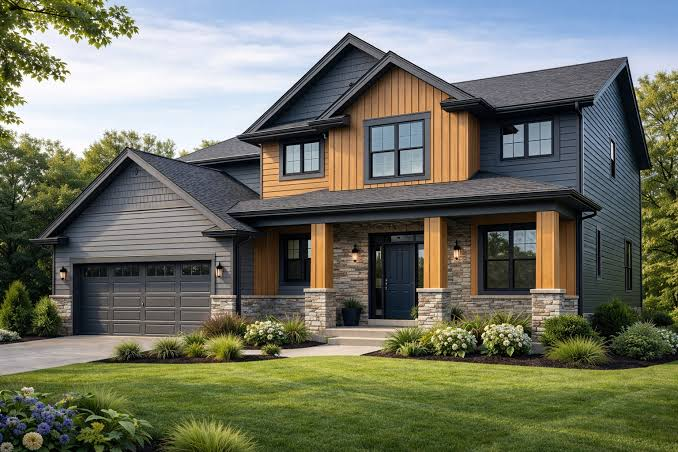
How Is Vinyl Siding Installed?
Proper installation is essential for the performance and appearance of vinyl siding. Although installation methods vary depending on the product, the process generally involves several important stages.
Step 1: Prepare the Exterior Walls
Contractors inspect the existing walls and remove damaged materials when necessary. The surface should be clean, stable, and properly prepared.
Step 2: Install a Moisture Barrier
A suitable weather-resistant barrier is installed behind the siding to help manage moisture and protect the underlying wall structure.
Step 3: Install Starter Strips
Starter strips are attached along the bottom edge of the exterior walls. They provide the foundation for the first row of siding panels.
Step 4: Attach the Vinyl Panels
Panels are installed according to the manufacturer’s instructions. Proper fastening is important because vinyl needs room to expand and contract with temperature changes.
Step 5: Install Corners and Trim
Specialized accessories are used around windows, doors, corners, and rooflines to create a finished appearance.
Step 6: Inspect the Installation
The completed siding should be checked for alignment, secure connections, appropriate clearances, and proper drainage details.
How to Maintain Vinyl Siding
Vinyl siding is relatively easy to maintain, but occasional cleaning and inspection can help preserve its appearance.
Washing the exterior with a garden hose and mild soap can remove ordinary dust and dirt. For more stubborn stains, homeowners should use cleaning products approved by the manufacturer.
Avoid using excessively aggressive cleaning chemicals or high-pressure washing techniques that could damage the panels or force water behind them.
It is also important to inspect the siding after severe storms. Cracked, loose, or damaged panels should be repaired promptly to maintain the protective performance of the exterior wall system.
Is Vinyl Siding Better Than Fiber Cement Siding?
Vinyl siding and fiber cement siding are both popular exterior materials, but they offer different advantages.
Vinyl siding is generally lighter, requires less maintenance, and often has a lower initial material and installation cost. Fiber cement siding, on the other hand, offers a more solid appearance and generally provides better resistance to impact and high temperatures.
Fiber cement typically requires periodic painting, depending on the product and finish. Vinyl generally does not require this maintenance.
The right option depends on the homeowner’s budget, architectural preferences, climate, and long-term maintenance expectations.
How Long Does Vinyl Siding Last?
Quality vinyl siding can commonly last around 20 to 40 years, although actual lifespan varies considerably. Product quality, installation workmanship, climate, maintenance, and exposure to direct sunlight all influence durability.
Thicker panels are not automatically suitable for every property, but choosing products that meet recognized quality standards can improve long-term performance.
Professional installation and proper ventilation and moisture management are equally important for achieving a longer service life.
Frequently Asked Questions About Vinyl Siding
1. Is vinyl siding waterproof?
Vinyl itself is water-resistant, but the complete siding system is not completely waterproof. Proper flashing, weather barriers, and drainage details are necessary to protect the building.
2. Does vinyl siding increase home value?
New vinyl siding can improve curb appeal and make a property more attractive to potential buyers. Its effect on resale value depends on the local housing market and renovation quality.
3. Can vinyl siding be painted?
Yes, certain vinyl siding products can be painted using suitable vinyl-safe exterior paints. Homeowners should follow manufacturer recommendations to avoid heat-related problems caused by inappropriate colors.
4. Does vinyl siding require insulation?
Standard vinyl siding does not provide substantial insulation by itself. Insulated vinyl siding includes an additional foam layer that can improve thermal performance.
5. Can damaged vinyl siding be replaced?
Yes. Individual damaged panels can usually be removed and replaced without installing completely new siding across the entire house.
6. Is vinyl siding suitable for cold climates?
Yes, vinyl siding can be used in cold climates. However, it becomes more brittle at low temperatures, so careful handling and correct installation are important.
Conclusion
Vinyl siding is a practical exterior solution for homeowners who want an attractive, relatively affordable, and low-maintenance finish. Its wide selection of colors and designs makes it suitable for different architectural styles, while its resistance to moisture and lack of regular painting requirements offer long-term convenience.
However, material quality and professional installation should never be overlooked. By comparing available options, understanding potential disadvantages, and following proper maintenance practices, homeowners can make a confident decision about whether vinyl siding is the right investment for their property.