
What Is the Unsent Message Project?
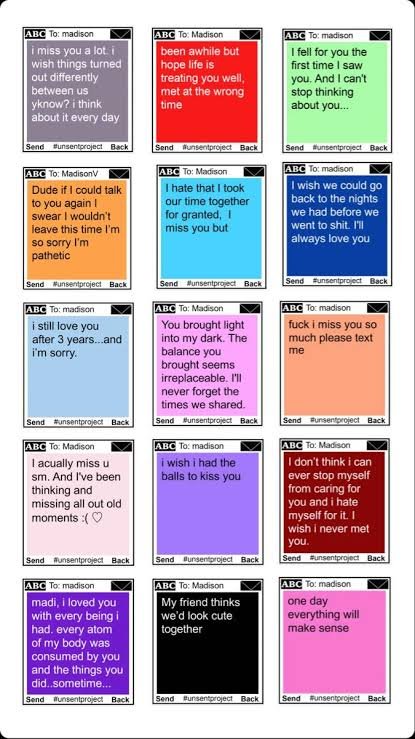
The unsent message project is a concept centered on writing messages that people never had the opportunity, courage, or intention to send. These messages can be addressed to former partners, friends, family members, strangers, or even a past version of oneself.
The idea is simple: write what you genuinely want to say without worrying about receiving a response.
Unlike an ordinary text message, an unsent message does not require a recipient to answer. It can become a private space for thoughts, emotions, memories, apologies, gratitude, questions, or words that were difficult to express at the time.
The concept has become especially appealing in the digital age because messaging has become one of the primary ways people communicate. Almost everyone has experienced typing a message and then deciding not to press send.
Why Do People Write Unsent Messages?
There are many reasons someone might write an unsent message. Sometimes a person wants to explain something that happened in the past. In other situations, they may simply want to express feelings that were never spoken aloud.
Common reasons include:
- Saying goodbye
- Expressing gratitude
- Apologizing
- Releasing anger
- Remembering someone
- Describing unresolved feelings
- Talking about a missed opportunity
- Expressing love
- Reflecting on personal growth
- Saying something that feels impossible to communicate directly
The value of the exercise does not necessarily depend on whether the message is eventually sent. The writing itself can help organize thoughts and turn vague emotions into clear words.
The Meaning Behind an Unsent Message
An unsent message can represent many different things depending on the person writing it.
For some people, it represents closure. For others, it is simply a record of something they wanted to say.
A message might begin with a person’s name and continue with memories, questions, or reflections. Another person might write a message to themselves five years ago or to the person they hope to become in the future.
This makes the Unsent Message Project broader than traditional correspondence. It can become a form of personal storytelling.
Unsent Messages and Modern Communication
Technology has changed how people communicate. Messages can now be written, delivered, edited, deleted, or ignored within seconds.
Yet faster communication has not eliminated difficult conversations.
In fact, instant messaging can sometimes make emotional communication more complicated. A person may type a long explanation, stare at the screen, and eventually delete everything.
The Unsent Message Project captures that moment.
It creates a place where the writer does not have to worry about typing the perfect response or predicting how another person will react.
Writing Without Pressing Send
The most important principle is simple: you do not have to send the message.
This creates freedom.
When people know that a message will remain private, they may find it easier to write honestly. They can describe what they felt, what they wish had happened, and what they understand differently today.
There is no need to make the message persuasive.
There is no requirement to receive forgiveness.
There does not even need to be a conclusion.
The purpose is to give thoughts a written form.
Who Can You Write an Unsent Message To?
An unsent message can be written to almost anyone.
A Former Partner
Relationships often leave behind complicated memories. Writing an unsent message can provide an opportunity to express thoughts that were never communicated during or after the relationship.
An Old Friend
Friendships can end gradually or suddenly. An unsent message can preserve memories and acknowledge what the friendship meant.
A Family Member
Some conversations within families are difficult. Writing privately can make it easier to organize thoughts before deciding whether a real conversation is appropriate.
Someone You Lost
People sometimes write letters or messages to someone who is no longer alive. These messages can contain memories, gratitude, questions, and things they wish they had said.
Your Younger Self
One of the most interesting possibilities is writing to yourself. You can describe what you have learned and what you wish your younger self had understood.
How to Start an Unsent Message
Starting is often the hardest part.
You do not need an elaborate introduction. Begin with the first honest sentence that comes to mind.
For example:
“There is something I have wanted to tell you for a long time.”
From there, allow the writing to develop naturally.
Another approach is to answer simple questions:
- What do I wish I had said?
- What still bothers me?
- What am I grateful for?
- What did I learn?
- What would I change?
- What do I want to let go of?
- What would I say if I knew there would be no judgment?
These questions can help transform an abstract feeling into a meaningful message.
Unsent Messages as a Form of Self-Reflection
Writing provides an opportunity to observe your own thoughts from a different perspective.
When an idea exists only in your head, it can feel overwhelming or confusing. Putting it into words gives it structure.
You may discover that what initially felt like anger was actually disappointment. You might realize that you miss a memory rather than a person. You may even recognize how much you have changed.
This is one reason the Unsent Message Project can be viewed as a form of self-reflection.
The Difference Between an Unsent Message and a Regular Journal
A traditional journal usually records personal experiences, thoughts, and events.
An unsent message is different because it has an imagined recipient.
Instead of writing:
“Today I remembered my old friend.”
You might write:
“I remembered the afternoons we spent together, and I realized how much that friendship influenced me.”
The second approach creates a direct emotional conversation, even though the recipient never receives it.
This can make the writing feel more personal and focused.
Creating Your Own Unsent Message Project
You do not need a special website or complicated system to start your own project.
A notebook can be enough.
You can also create a private digital document or folder where every message has a date and title.
Possible categories include:
- Messages I Never Sent
- People I Miss
- Things I Wish I Had Said
- Letters to My Past
- Gratitude Messages
- Goodbyes
- Future Messages
Over time, these messages can become a personal archive of experiences and growth.
Should You Ever Send an Unsent Message?
Not necessarily.
The purpose of writing an unsent message is not automatically to prepare a message for delivery.
Sometimes sending it can reopen a situation that is better left in the past. A message may also place emotional expectations on another person.
Before sending anything, consider why you want to send it.
Ask yourself:
Am I sending this because I genuinely want to communicate, or because I want a particular response?
If the goal is simply to express your thoughts, keeping the message private may be enough.
If you do decide to send it, consider reviewing it after some time has passed.
Why People Keep Unsent Messages
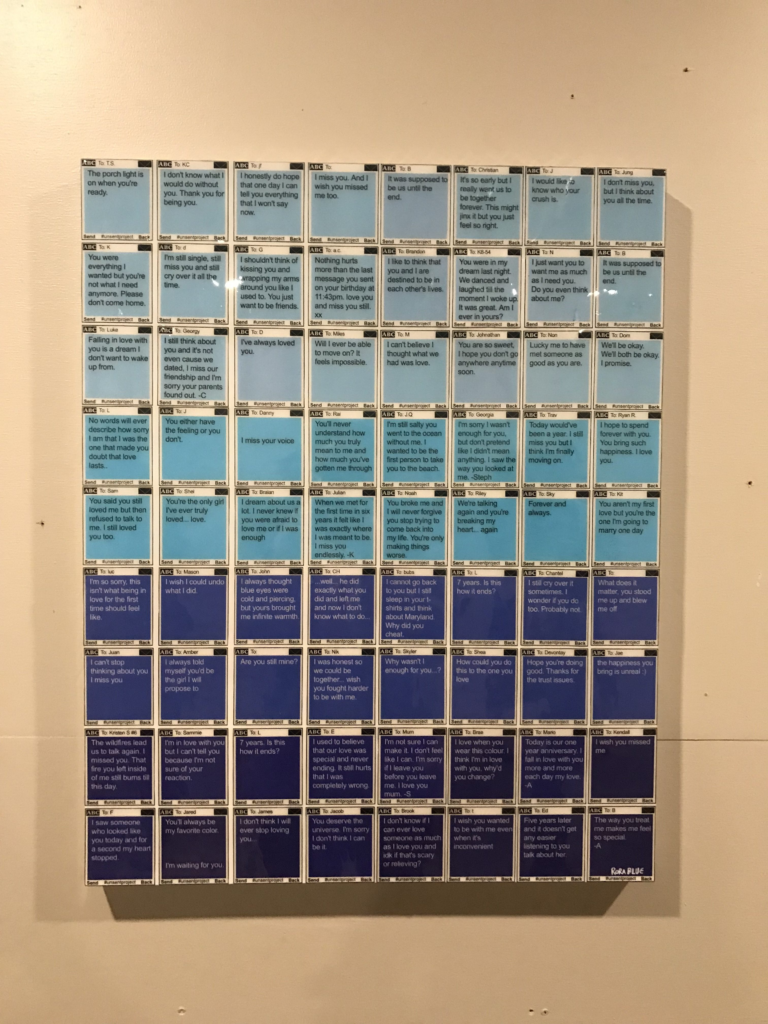
Some people keep their messages because they represent important moments in their lives.
A message written during a difficult period may later show how much someone has changed.
Reading an old unsent message can reveal how priorities, relationships, and perspectives have evolved.
It can also provide a reminder that an intense emotion does not necessarily remain intense forever.
For this reason, an unsent message can become more than an emotional outlet. It can become a record of personal history.
Digital Privacy and Unsent Messages
If you create an Unsent Message Project digitally, privacy should be considered carefully.
Personal messages may contain private information about yourself or other people. Store them somewhere secure and avoid publishing sensitive details without considering the consequences.
If you use a cloud-based document or notes application, review its privacy and security settings.
A private writing project should remain private unless you deliberately choose to share it.
Unsent Messages and Creativity
The concept can also be used creatively.
Writers can use unsent messages to develop characters, explore relationships, or create realistic dialogue.
For example, a novel could include a character’s unsent letter as a way of revealing information that the character cannot say aloud.
The format can also work for poems, short stories, social-media projects, and personal essays.
Because the structure is simple, it allows writers to focus on emotion and voice.
How to Make Your Messages More Meaningful
There is no perfect format, but several techniques can make an unsent message more effective.
Be Specific
Instead of saying, “You meant a lot to me,” describe a particular memory that explains why.
Write Honestly
Do not worry about sounding impressive. Authenticity is more valuable than perfect wording.
Include What You Learned
Ask what the experience taught you.
Avoid Editing Too Early
Write freely first. You can organize the message later.
Give Yourself Time
Some messages become clearer after several days. You do not have to finish everything in one sitting.
The Emotional Value of Unspoken Words
People often carry conversations in their minds long after an event has ended.
They imagine what they should have said, what another person might have answered, or how a situation could have developed differently.
An unsent message gives those thoughts a physical or digital form.
It does not change the past, but it can change how the writer understands the past.
That distinction is important.
The purpose is not necessarily to rewrite history. It is to acknowledge what happened and recognize how it affected you.
Unsent Message Project Ideas
If you want to create a collection of unsent messages, consider trying different themes.
“Thank You” Messages
Write to people who positively influenced your life.
“I’m Sorry” Messages
Write about mistakes or situations you regret.
“Goodbye” Messages
Describe what you want to leave behind.
“What I Never Told You”
Write the information or feelings that remained unspoken.
“Dear Younger Me”
Describe what your current self has learned.
“One Last Conversation”
Imagine having one final conversation with someone important.
These formats can provide structure while still leaving plenty of room for creativity.
Frequently Asked Questions About the Unsent Message Project
What is the Unsent Message Project?
It is a writing concept based on creating messages that are not actually delivered. The messages can express emotions, memories, gratitude, apologies, goodbyes, or personal reflections.
Do I have to send an unsent message?
No. The defining feature is that the message remains unsent. Writing it can be valuable even if it is never delivered.
Who can I write an unsent message to?
You can write to anyone, including a former partner, friend, family member, someone you lost, or even your younger or future self.
Can I create an Unsent Message Project online?
Yes. You can use a private notes application, document, journal platform, or another secure writing space. Make sure you understand the privacy settings before storing sensitive information online.
Can unsent messages help with closure?
Writing can help some people organize thoughts and reflect on difficult experiences. However, it does not guarantee closure, and different people respond to reflective writing differently.
Should I publish my unsent messages?
That is completely optional. If you decide to publish them, consider removing private information and details that could identify other people without their permission.
Final Thoughts on the Unsent Message Project
The Unsent Message Project is built around a remarkably simple idea: sometimes the words we need to express do not need to reach another person’s phone to have meaning.
Writing can provide a private space for memories, gratitude, disappointment, love, regret, and personal growth. An unsent message can help transform an unresolved thought into something visible and easier to understand.
Whether you write one message or create an entire collection, the project can become a personal record of the conversations that never happened.
Most importantly, there is no required ending. You can send the message, save it, delete it, rewrite it years later, or simply close the page.
Sometimes writing the words is enough.