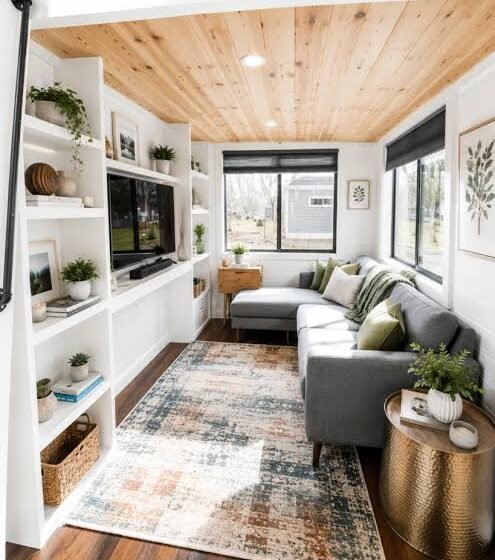

Introduction to Living Room Decor Ideas 2026
The living room is one of the most important spaces in any home. It is where families relax, friends gather, and everyday moments turn into lasting memories. In 2026, interior design focuses on comfort, personality, natural materials, and practical layouts that make a home feel welcoming.
The best living room decor ideas 2026 combine attractive design with everyday functionality. Instead of following every trend, homeowners are choosing furniture, colors, lighting, and accessories that reflect their personal style.
Whether you have a small apartment, a spacious family room, or an open-plan living area, thoughtful decorating can make a significant difference. Simple changes, such as adding layered lighting, introducing natural textures, or rearranging furniture, can refresh a room without requiring a complete renovation.
1. Choose Warm and Natural Colors
Color plays an important role in the overall appearance of a living room. In 2026, warm neutrals and earthy shades remain attractive choices for creating a comfortable environment.
Colors such as beige, cream, warm white, soft brown, olive green, and muted terracotta work well with different interior styles. They provide a versatile foundation that can be combined with modern furniture, wooden finishes, and decorative accessories.
For a balanced appearance, choose one main wall color and introduce complementary shades through cushions, curtains, rugs, and artwork.
If you prefer a brighter interior, warm white walls can help reflect natural light. For a richer atmosphere, consider an olive green accent wall or muted brown accessories.
The goal is to create a consistent color scheme rather than filling the room with too many competing shades.
2. Invest in Comfortable and Stylish Sofas
The sofa is often the main feature of a living room decor ideas 2026. Its size, shape, material, and color influence the entire layout.
In 2026, comfortable seating remains a priority. Soft upholstery, rounded edges, deep cushions, and practical designs can create a relaxed atmosphere while maintaining a sophisticated appearance.
Before buying a sofa, measure your available space carefully. A large sectional may suit an open living room decor ideas 2026, while a compact two- or three-seater can work better in a smaller apartment.
Neutral upholstery is versatile and easy to coordinate with changing accessories. If you want a stronger visual statement, consider a sofa in forest green, navy blue, or warm rust.
Choose durable fabric that matches your household’s needs, especially if children or pets regularly use the living room decor ideas 2026.
3. Add Natural Wood Elements
Natural materials bring warmth and texture to contemporary interiors. Wooden furniture is particularly effective because it complements both modern and traditional decorating styles.
A wooden coffee table, sideboard, floating shelf, or entertainment unit can make a living room feel more inviting.
Light oak finishes often suit Scandinavian and minimalist interiors, while darker wood creates a richer and more dramatic appearance. Medium brown finishes can provide a balanced option for many homes.
You do not need to replace all your furniture to introduce this trend. Even a small wooden side table or decorative tray can add visual interest.
For a coordinated result, repeat similar wood tones in two or three places rather than using too many unrelated finishes.
4. Create a Beautiful Accent Wall
An accent wall can transform a plain living room without requiring a complete makeover. It provides a focal point and helps establish the room’s overall design direction.
Popular options include textured paint, decorative wall panels, wallpaper, wooden slats, and carefully arranged artwork.
For a modern interior, consider a warm neutral accent wall behind the sofa. Wooden panels can create depth around a television area, while subtle wallpaper can introduce patterns without overwhelming the room.
The wall should complement the existing furniture and color palette. In a small room, lighter finishes may help maintain an open appearance.
Before installing decorative panels or wallpaper, consider the room’s lighting, wall condition, and furniture placement.
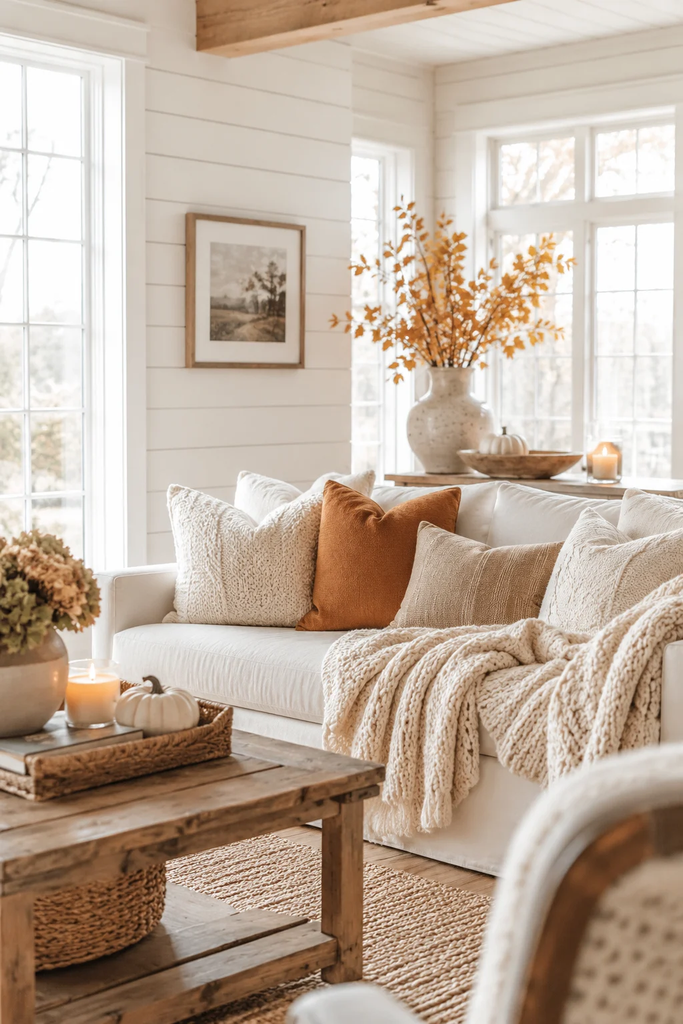
5. Use Layered Lighting for a Cozy Atmosphere
Lighting is essential for creating a comfortable and attractive living room. A single ceiling light often provides insufficient flexibility for different activities.
Layered lighting combines general illumination, task lighting, and accent lighting.
- Ceiling lights: Provide overall illumination throughout the room.
- Floor lamps: Create comfortable reading corners and add height.
- Table lamps: Introduce softer light beside sofas or chairs.
- Accent lights: Highlight artwork, shelves, or architectural features.
Warm white lighting around 2700K to 3000K generally creates a relaxing atmosphere for evening use. Neutral white lighting can be useful where a brighter, more functional environment is preferred.
Consider dimmable lights if you want to adjust the atmosphere for watching television, reading, or entertaining guests.
6. Decorate with Indoor Plants
Indoor plants bring natural color and texture into the living room. They can soften the appearance of furniture and make empty corners feel more complete.
Popular choices include snake plants, pothos, peace lilies, and rubber plants. However, the best option depends on available sunlight, watering requirements, and the presence of pets.
Place taller plants beside windows or near unused corners. Smaller plants can decorate shelves, side tables, and window ledges.
If you have limited floor space, hanging planters or vertical plant stands may be useful alternatives.
Choose attractive pots that coordinate with your furniture. Ceramic, terracotta, and woven-style planters can complement natural materials and earthy color schemes.
7. Select a Statement Coffee Table
A coffee table is both a practical surface and an important decorative feature. It provides space for drinks, books, remotes, and small accessories.
In 2026, sculptural shapes, rounded edges, natural wood, and mixed materials offer attractive options for modern living rooms.
A round coffee table can improve movement in a compact seating area, while a rectangular design may suit a longer sofa.
Consider storage when selecting a table. Models with drawers or lower shelves help keep everyday items organized.
For styling, arrange a few books, a small decorative bowl, and a vase. Leave enough empty space for practical use instead of covering the entire surface with accessories.
8. Make Small Living Rooms Look Bigger
A small living room can still feel stylish, comfortable, and functional. The key is to use space carefully and avoid unnecessary clutter.
Choose furniture that fits the room rather than oversized pieces that restrict movement. Sofas with visible legs can create a lighter visual effect, while wall-mounted shelves can free up floor space.
Mirrors are another useful decorating feature because they reflect light and create a greater sense of depth. Positioning a mirror opposite a window can help distribute natural light throughout the room.
Use curtains that hang close to the ceiling to create the impression of greater height. A consistent color palette can also make a small space feel more unified.
Finally, keep walking paths clear and use closed storage to organize everyday belongings.
9. Choose Stylish Curtains and Rugs
Curtains and rugs can make a living room feel complete. They introduce texture, help define different areas, and connect furniture through color and pattern.
For a modern appearance, consider linen-look curtains, soft neutral fabrics, or subtle geometric patterns. The curtain length and width should suit the window and the overall room proportions.
A well-sized rug helps anchor the seating arrangement. Ideally, the front legs of the sofa and chairs should sit on the rug to create a connected layout.
Neutral rugs are easy to coordinate with different furniture styles. Patterned rugs can add personality to a simple room, particularly when the sofa and walls use understated colors.
Choose materials based on durability, cleaning requirements, and the amount of daily foot traffic.
10. Display Personal Artwork and Photographs
Personal artwork makes a living room feel individual rather than copied from a furniture showroom.
You can display framed prints, family photographs, illustrations, or original artwork. A carefully arranged gallery wall can become a focal point above a sofa or console table.
For a balanced appearance, choose frames that share a similar finish or color. The artwork itself can vary in subject and style while maintaining a consistent visual connection.
Before hanging pictures, arrange them on the floor to test different layouts. Keep appropriate spacing between frames and position the overall arrangement at a comfortable viewing height.
If you prefer a minimalist interior, one large artwork may create a stronger impact than several smaller pieces.
11. Embrace Curved Furniture and Soft Shapes
Rounded furniture can soften a room dominated by straight lines and rectangular surfaces.
Curved sofas, circular mirrors, oval coffee tables, and rounded armchairs are useful options for creating a more relaxed appearance.
These shapes work particularly well when combined with soft fabrics, warm colors, and natural materials.
However, curved furniture should still suit the dimensions of the room. Measure the available space and consider how people will move around the furniture before making a purchase.
You can also introduce curved shapes through less expensive accessories, including rounded lamps, ceramic vases, and circular wall mirrors.
12. Design a Functional Entertainment Area
The television and entertainment unit often occupy a prominent position in the living room. A well-organized setup can improve both appearance and everyday convenience.
Choose a unit that provides sufficient storage for devices, accessories, and cables. Wall-mounted furniture can create a streamlined look while leaving more visible floor space.
Wooden panels, subtle wall colors, or carefully positioned lighting can help define the entertainment area.
Avoid placing too many decorative objects around the television because they may distract from the screen and create unnecessary clutter.
Cable management is equally important. Concealed wiring and organized storage make the entire setup look cleaner and easier to maintain.
13. Mix Modern and Vintage Decorations
Combining contemporary furniture with vintage accessories can create a living room with character.
For example, a modern sofa can be paired with a traditional wooden cabinet, an antique mirror, or a vintage table lamp. The contrast adds interest without requiring a completely traditional design.
The key is to establish a connection between the different pieces. Similar colors, materials, or shapes can help older and newer items work together.
Avoid filling the room with unrelated decorative objects. Instead, select a few meaningful pieces that contribute to the overall style.
This approach is also useful for homeowners who want to refresh their interiors without replacing furniture they already own.
14. Try Budget-Friendly Living Room Updates
Creating an attractive living room does not always require a large budget. Small improvements can change the appearance of a space considerably.
Start by rearranging existing furniture to improve movement and make better use of natural light. Remove unnecessary items and organize visible surfaces.
Next, consider affordable accessories such as cushion covers, throws, lampshades, picture frames, or decorative trays.
Painting a wall can refresh the room at a relatively low cost. Replacing outdated handles on suitable furniture or adding simple shelves can also make a noticeable difference.
Before purchasing anything, decide which part of the room needs the most attention. Spending money on a few coordinated improvements is often more effective than buying numerous decorative items without a clear plan.
15. Personalize Your Living Room Design
The most successful living room designs reflect the people who use them. Trends can provide inspiration, but comfort, practicality, and personal taste should guide the final decisions.
If you enjoy reading, create a comfortable corner with a chair, a lamp, and a small side table. If you regularly entertain guests, prioritize flexible seating and sufficient table space.
Families may benefit from durable fabrics, concealed storage, and easy-to-clean surfaces. People who prefer minimalist interiors can focus on simple furniture, uncluttered surfaces, and a restrained color palette.
You can also display travel souvenirs, handmade decorations, favorite books, or family photographs to make the room feel more personal.
The best living room decor ideas 2026 are those that combine attractive design with the way you actually live.
Conclusion
Living room decor ideas 2026 focus on warm colors, comfortable furniture, natural materials, layered lighting, and personal details. These elements can work together to create a welcoming space that remains practical for everyday life.
Whether you want a complete redesign or a simple refresh, start with the room’s layout and main furniture. Then introduce complementary colors, thoughtful lighting, suitable accessories, and storage solutions.
You do not need to follow every trend to create a beautiful living room. Choose ideas that match your budget, available space, and lifestyle. With careful planning and a few well-chosen updates, you can create a living room that feels stylish, comfortable, and uniquely yours.
Frequently Asked Questions
What are the best living room decor ideas 2026?
Popular ideas include warm neutral colors, natural wood furniture, curved shapes, indoor plants, layered lighting, textured fabrics, and personalized artwork.
Which colors are trending for living rooms in 2026?
Warm beige, cream, earthy brown, olive green, muted terracotta, and soft white are versatile options for contemporary living rooms.
How can I decorate my living room on a small budget?
Rearrange existing furniture, add cushion covers, introduce plants, improve lighting, display artwork, and repaint an accent wall instead of replacing everything.
How do I make a small living room look bigger?
Use appropriately sized furniture, mirrors, light colors, vertical storage, and curtains hung near the ceiling. Keep walkways clear to create a more open appearance.
What type of lighting is best for a living room?
A combination of ceiling lights, floor lamps, table lamps, and accent lighting provides flexibility. Warm white lighting around 2700K to 3000K is generally suitable for a relaxing atmosphere.
How can I make my living room look modern?
Choose a consistent color palette, simple furniture, natural textures, uncluttered surfaces, and coordinated lighting. Add a few distinctive accessories to give the room personality.