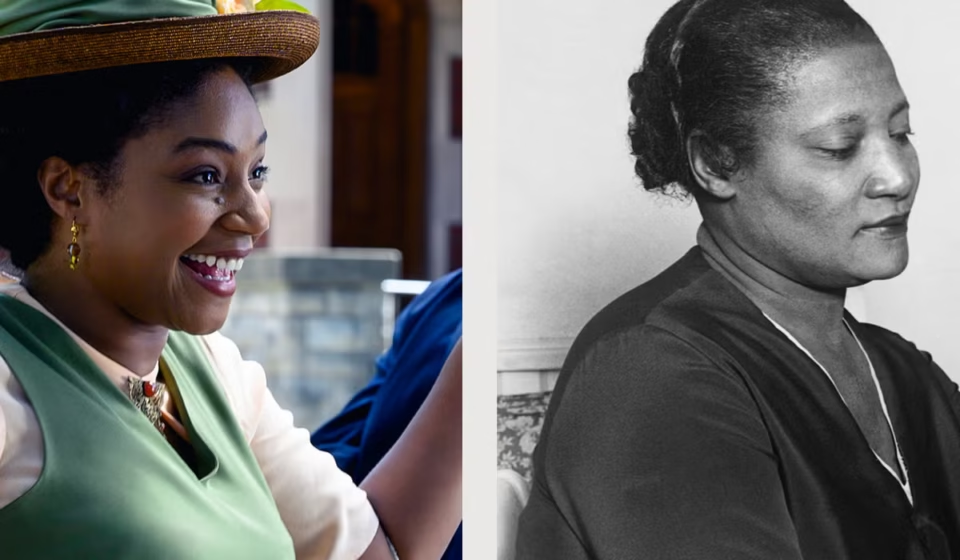

A’Lelia Walker was one of the most recognizable cultural figures associated with Harlem during the 1920s. Known for her elegance, generosity, social connections, and support for artists, she became an important patron of the Harlem Renaissance. Although she was born into enormous wealth, her historical importance went far beyond being the daughter of a famous businesswoman.
As the daughter of Madam C. J. Walker, one of the most successful African American entrepreneurs of the early twentieth century, A’Lelia inherited both financial resources and a strong connection to Black business and cultural life. She used that position to create spaces where writers, musicians, artists, performers, and intellectuals could meet and exchange ideas.
Her parties and gatherings became legendary. Langston Hughes famously associated her with the phrase “joy goddess of Harlem,” a description that captured her reputation for bringing people together and celebrating creativity. The National Park Service describes her as an internationally famous heiress whose social gatherings became memorable features of Harlem’s cultural life.
Who Was A’Lelia Walker?
A’Lelia Walker was the daughter of Madam C. J. Walker and became a prominent heiress, business figure, arts patron, and Harlem socialite.
Her mother had built a major beauty-products business serving African American women. The company also created economic opportunities through its network of sales agents, and A’Lelia became increasingly involved in the family enterprise.
Rather than simply enjoying her inheritance privately, she became deeply connected to the artistic and intellectual circles developing in Harlem during the 1920s.
Her name became particularly associated with cultural gatherings that brought together people from different parts of the creative community.
Her Family and Connection to Madam C. J. Walker
A’Lelia’s story cannot be separated from the extraordinary success of her mother.
Madam C. J. Walker built a national beauty business and created opportunities for thousands of African American women through her sales network. The National Park Service notes that Walker eventually had thousands of agents selling her products across the United States.
A’Lelia benefited from this remarkable family legacy, but she also developed an identity of her own.
In 1913, A’Lelia encouraged her mother to establish a base in Harlem. The property included living space, a beauty salon, and a training school. This decision helped strengthen the Walker family’s connection with Harlem’s growing African American cultural community.
A’Lelia Walker and the Harlem Renaissance
The Harlem Renaissance was one of the most important periods of African American cultural history.
During the early twentieth century, the Great Migration brought large numbers of African Americans to cities across the United States. Harlem became a major center for literature, music, theater, visual art, politics, and intellectual life.
The Smithsonian describes the Harlem Renaissance as a major period of cultural expression that developed especially between the end of World War I and the mid-1930s.
A’Lelia Walker became part of this environment by supporting and hosting members of the creative community.
Her role was different from that of a novelist, painter, or musician. She contributed by providing social spaces, financial support, hospitality, and connections that helped creative people interact.
Why Her Parties Became Famous
A’Lelia Walker’s parties became an important part of her public reputation.
Her gatherings were known for bringing together artists, writers, musicians, performers, and other influential figures. They represented the energy and confidence of Harlem during one of its most creative periods.
These events were more than simple celebrations. Social gatherings could provide artists with opportunities to meet potential supporters, exchange ideas, and build relationships.
This made wealthy patrons particularly important to the cultural environment of the era.
A’Lelia’s personality and generosity helped make her gatherings especially memorable.
The Dark Tower and Cultural Gatherings
One of the locations closely connected with A’Lelia Walker was the Dark Tower.
The space became associated with artistic and literary activity in Harlem and reflected her interest in supporting creative communities.
The National Museum of African American History and Culture identifies the Dark Tower as an important part of her story and describes her as a prominent African American heiress and social figure connected with Harlem’s cultural world.
The importance of spaces like this was not simply architectural. They provided opportunities for people with different artistic backgrounds to interact.
Her Relationship With Artists and Writers
A’Lelia Walker developed connections with some of the most notable figures of the Harlem Renaissance.
The period included writers such as Langston Hughes and Zora Neale Hurston, musicians such as Duke Ellington and Louis Armstrong, and many visual artists, performers, and intellectuals.
The Smithsonian’s overview of the Harlem Renaissance highlights how literature, painting, sculpture, jazz, swing, opera, and dance all contributed to the movement.
A’Lelia’s importance came partly from her ability to move comfortably among these different circles.
She was not simply an observer of the Renaissance. Her home, parties, and patronage helped form part of the social infrastructure surrounding the movement.
A’Lelia Walker as an Arts Patron
Patronage played an important role in the development of African American culture during this period.
Artists often needed financial support, places to gather, audiences, and people willing to encourage their work. Wealthy individuals could provide some of these resources.
A’Lelia Walker used her wealth and social position to support cultural activities.
Her contribution demonstrates that cultural movements are not created only by the people whose names appear on books, paintings, or musical recordings. Behind many creative movements are networks of patrons, organizers, hosts, publishers, and community leaders.
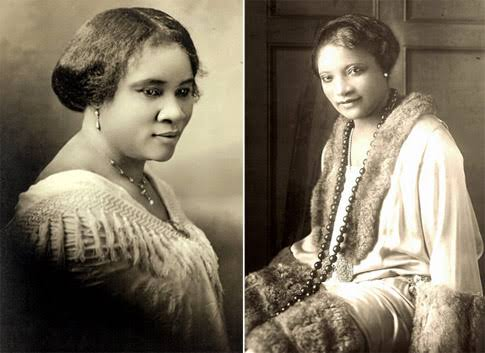
Her Influence on Black Cultural Identity
The Harlem Renaissance was about more than entertainment.
The movement helped African Americans express racial pride, cultural identity, creativity, and independence at a time when segregation and racial discrimination remained widespread.
The Smithsonian notes that the Renaissance challenged negative stereotypes and helped create a stronger sense of African American self-determination and cultural pride.
A’Lelia Walker’s celebrations fit naturally into this broader cultural environment.
Her gatherings gave people an opportunity to celebrate Black creativity and social achievement.
The Meaning Behind “Joy Goddess of Harlem”
A’Lelia Walker became closely associated with the nickname “joy goddess of Harlem.”
The phrase reflected her reputation as a person who loved celebration, art, fashion, travel, friendship, and social gatherings.
It also became part of her historical image because her parties represented the optimism and creative energy of the 1920s.
The National Park Service notes that Langston Hughes used the phrase when describing her influence and memorable presence in Harlem’s social world.
Her International Interests and Travels
A’Lelia Walker’s world extended beyond Harlem.
Her wealth allowed her to travel internationally and experience cultural environments outside the United States. These experiences contributed to her sophisticated public image and broadened her social connections.
At a time when international travel was far less accessible than it is today, such journeys were significant.
Her lifestyle reflected the emergence of a wealthy African American middle and upper class that increasingly participated in international cultural and social life.
A’Lelia Walker’s Legacy
A’Lelia Walker’s legacy is closely tied to the Harlem Renaissance.
For many years, historical attention focused more heavily on her mother, Madam C. J. Walker, whose business success made her a landmark figure in African American entrepreneurship.
However, A’Lelia’s contribution was different and deserves recognition in its own right.
She helped create environments in which artists and intellectuals could meet. Her patronage and hospitality contributed to the cultural atmosphere of Harlem during the 1920s.
Modern scholarship has continued to bring greater attention to her story. In 2026, the Smithsonian National Museum of African American History and Culture hosted a program discussing A’Lelia Walker and the Harlem Renaissance, based on A’Lelia Bundles’ biography Joy Goddess.
Why A’Lelia Walker Still Matters Today
A’Lelia Walker remains relevant because her story shows how cultural influence can take many forms.
She was not primarily remembered for writing books or creating paintings. Instead, she helped create the social conditions in which other creative people could thrive.
Her story also demonstrates the importance of Black women in shaping American cultural history.
During an era when African Americans faced significant social and economic barriers, figures such as A’Lelia Walker used wealth, connections, and personal influence to support a growing cultural movement.
Her life is therefore an important part of understanding the Harlem Renaissance beyond its most famous writers and musicians.
A Lasting Place in Harlem Renaissance History
The Harlem Renaissance transformed American culture by giving African American artists greater visibility and encouraging new forms of literature, music, theater, visual art, and social expression.
A’Lelia Walker belonged to the social world that helped this transformation flourish.
Her parties became legendary, her support for artists made her an important patron, and her personality made her one of Harlem’s most memorable figures of the 1920s.
Her story also reminds us that history is often shaped by people who create connections behind the scenes.
A’Lelia Walker brought people together at a moment when African American creativity was reshaping the cultural landscape of the United States.
Frequently Asked Questions
Who was A’Lelia Walker?
She was an African American heiress, arts patron, business figure, and prominent Harlem socialite who became closely associated with the cultural life of the 1920s.
Who was her mother?
Her mother was Madam C. J. Walker, the pioneering African American entrepreneur who built a successful hair-care and beauty-products company.
Why was she important to the Harlem Renaissance?
She supported artists and hosted gatherings that brought writers, musicians, performers, and other creative figures together.
What was the Dark Tower?
The Dark Tower was a cultural space associated with A’Lelia Walker and her support for Harlem’s artistic and literary community.
Why was she called the “joy goddess of Harlem”?
The nickname reflected her reputation for hosting memorable celebrations and supporting the lively artistic and social culture of Harlem during the 1920s.
What is her legacy?
Her legacy lies in her role as a patron, connector, and cultural figure who helped create spaces where African American artists and intellectuals could gather and flourish.



[…] Also read: A’Lelia Walker […]