

Jet Set Radio is one of the most recognizable names in arcade-style gaming, celebrated for its colorful graphics, energetic music, graffiti-inspired art, and fast-paced skating gameplay. Originally released for the Sega Dreamcast in 2000, the game introduced players to a stylish fictional city where graffiti artists skate through urban environments while avoiding authorities and expressing themselves through street art.
Over the years, Jet Set Radio has developed a loyal fan base because of its distinctive visual identity and creative approach to gameplay. Its cel-shaded graphics helped it stand apart from many other games of its era, while its soundtrack gave every skating session a unique atmosphere.
Whether you are discovering this classic for the first time or revisiting a favorite from the past, Jet Set Radio offers an interesting look at how art, music, and video game design can come together to create a memorable experience.
What Is Jet Set Radio?
Jet Set Radio is an action and sports-style video game developed by Smilebit and published by Sega. It originally appeared on the Dreamcast and became known for combining inline skating, graffiti tagging, exploration, and arcade challenges.
Players control members of a skating crew who travel through a fictional urban setting, perform tricks, spray graffiti, and complete objectives. The game uses an exaggerated comic-book-inspired art style rather than realistic graphics.
Instead of focusing only on racing or traditional sports competition, Jet Set Radio gives players a world filled with personality. Its characters, music, city environments, and rebellious themes work together to create a distinctive identity.
The game’s original Japanese title is Jet Set Radio, while it was released as Jet Grind Radio in North America. Both names refer to the same original game.
1. A Revolutionary Cel-Shaded Art Style
One of the most impressive features of Jet Set Radio is its cel-shaded visual design. At a time when many games were pursuing realistic graphics, this title embraced bold outlines, bright colors, exaggerated proportions, and an animated appearance.
Cel shading gives three-dimensional characters and environments the look of hand-drawn animation. This approach made Jet Set Radio visually distinctive and helped establish an identity that remains recognizable today.
The colorful streets, graffiti-covered walls, and stylized characters make the game feel like an interactive cartoon. Rather than becoming less appealing as technology advances, its artistic approach has helped it maintain a timeless quality.
The visual design also supports the game’s central theme of creative expression. Every location feels like part of a living street-art culture, making exploration enjoyable even when players are not completing a specific objective.
2. Graffiti and Creative Expression
Graffiti is at the heart of Jet Set Radio. Players use spray-paint mechanics to mark designated locations throughout the city while completing missions and competing against rival crews.
The graffiti system gives the game a personality that separates it from other skating titles. Players are not simply trying to reach a finish line or achieve the highest score. They are participating in a fictional street culture built around artistic identity and rebellion.
Completing graffiti objectives requires players to pay attention to their surroundings, find suitable locations, and manage the risks created by pursuing authorities.
The game’s fictional setting presents graffiti as a central part of its rebellious world. In real life, however, painting property without permission may be illegal, so the game’s fantasy should not be confused with advice to vandalize actual locations.
3. An Unforgettable Music Soundtrack
Music is another major reason Jet Set Radio remains memorable. Its soundtrack combines electronic music, hip-hop influences, funk, and other energetic styles to create a sound that complements the skating action.
The music helps establish the atmosphere of each level and makes movement feel rhythmic. Skating through a colorful city becomes more engaging when the soundtrack matches the pace and attitude of the gameplay.
For many fans, the soundtrack is just as important as the graphics. Individual tracks can bring back memories of particular stages, characters, and challenges.
Music licensing can affect which songs appear in different versions or later releases of a game. Players should check the soundtrack of the specific edition they are playing rather than assuming every version contains identical music.
4. Fast-Paced Skating Gameplay
Jet Set Radio combines skating movement with exploration and arcade-style objectives. Players travel through levels, perform tricks, grind along rails, jump across obstacles, and search for graffiti targets.
Movement is central to the experience. Learning how to navigate the environment efficiently can help players complete missions faster and avoid unnecessary mistakes.
The controls may feel different from modern skating games, especially for newcomers. However, mastering movement is part of the challenge. Players gradually learn how to use the environment, maintain momentum, and reach difficult locations.
The gameplay rewards practice and familiarity with each level. Once players understand the layout of a stage, they can find better routes and complete objectives more efficiently.
5. Memorable Characters and Rival Crews
Jet Set Radio features a cast of colorful characters connected by their skating culture and desire for creative freedom. The crews give the game’s world a sense of community, competition, and identity.
Each character contributes to the game’s exaggerated visual style. Their designs, animations, and personalities fit naturally into a world inspired by street fashion, music, and urban art.
Rival crews add another layer to the experience by creating challenges and conflicts throughout the story. These encounters give players reasons to explore different parts of the city and improve their skills.
The character-driven approach also helps the game feel more like a complete fictional universe than a collection of disconnected skating levels.
6. Why Jet Set Radio Became a Cult Classic
Jet Set Radio did not need realistic graphics to become memorable. Its unusual combination of art direction, music, skating, and graffiti created an experience that differed from many other games available at the time.
Its influence can be seen in later discussions of stylized game design, urban aesthetics, and music-driven gameplay. Players often remember the title not only for its mechanics but also for the atmosphere it creates.
The game also benefits from a clear creative identity. Every major element, from the soundtrack to the character designs, supports the same artistic vision.
A cult classic is often a game that maintains a dedicated audience long after its original release. Jet Set Radio fits that description because players continue to discuss its style, music, legacy, and potential for future releases.
7. Jet Set Radio’s Legacy and Future
The success and lasting recognition of Jet Set Radio have kept the series relevant among fans of classic Sega games. Its distinctive style makes it an appealing reference point for discussions about artistic experimentation in video games.
Interest in the franchise has also continued through retrospectives, fan communities, and announcements related to the series. However, the availability of specific games and the status of new projects can change over time.
Players interested in experiencing Jet Set Radio today should check official Sega announcements and current platform stores to confirm which versions are available in their region.
It is also useful to distinguish the original game from its sequel, Jet Set Radio Future. The sequel expands on the series’ world and gameplay but is a separate title with its own features and release history.
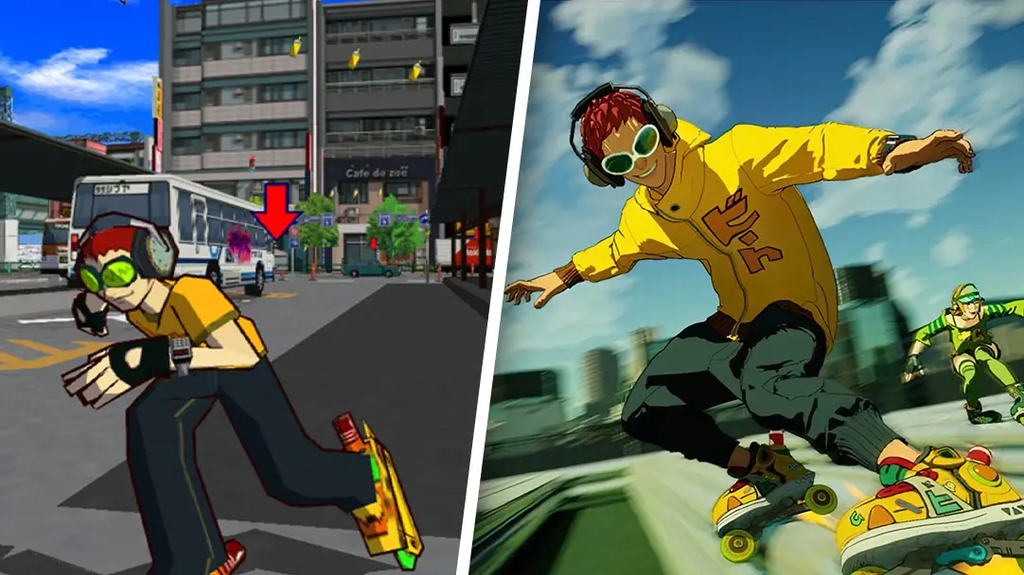
Jet Set Radio vs. Jet Set Radio Future
Both games belong to the same franchise, but they offer different experiences.
The original Jet Set Radio introduced the core formula of skating, graffiti, stylized urban environments, and music-driven action. It is especially important for its early use of cel-shaded graphics and its role in establishing the series’ identity.
Jet Set Radio Future, released for the original Xbox in 2002, builds on the concept with changes to movement, exploration, and mission structure. It offers a different approach to navigating the game world and developing the skating experience.
The best starting point depends on what a player wants to experience. Those interested in the series’ origins may prefer the original, while players curious about its evolution may want to explore the sequel as well.
How to Play Jet Set Radio Today
If you want to play Jet Set Radio today, begin by checking official platform stores and Sega’s official channels for currently available editions. Availability can vary depending on the platform, region, and licensing arrangements.
Before purchasing a version, confirm its system requirements, supported hardware, control options, and whether it includes the soundtrack you expect.
New players should spend time learning the movement system before attempting the more demanding challenges. Practice skating, jumping, grinding, and navigating obstacles in easier sections before tackling complicated missions.
Players returning after many years may also enjoy revisiting familiar stages and discovering routes they missed during earlier playthroughs.
Tips for Beginners
Start by learning the controls and understanding how movement works. Smooth navigation is essential because many objectives require reaching specific locations quickly.
Pay attention to the environment. Rails, ramps, ledges, and open spaces can provide useful routes through each stage.
Do not rush every challenge. Taking a moment to study a level can help you identify graffiti locations and avoid repeated mistakes.
Practice difficult sections several times. As your familiarity increases, you will become better at linking movements and reaching targets efficiently.
Finally, enjoy the game’s artistic presentation. Jet Set Radio is not only about completing objectives; its music, visuals, and atmosphere are important parts of the experience.
Conclusion
Jet Set Radio remains an iconic video game because it combines colorful cel-shaded graphics, graffiti-inspired gameplay, energetic music, and memorable characters into a distinctive package. Its skating mechanics and creative setting helped it stand out during the Dreamcast era and continue to attract attention from fans of classic gaming.
Whether you are interested in its history, soundtrack, art style, or gameplay, Jet Set Radio offers a memorable example of how a strong creative vision can help a game remain relevant for years.
Frequently Asked Questions
What is Jet Set Radio about?
Jet Set Radio is an arcade-style game in which players skate through a fictional city, spray graffiti at designated locations, complete missions, and interact with rival crews while avoiding authorities.
Who developed Jet Set Radio?
The original game was developed by Smilebit and published by Sega.
When was Jet Set Radio released?
The original Jet Set Radio was released for the Sega Dreamcast in 2000. The North American version was titled Jet Grind Radio.
What makes Jet Set Radio special?
Its cel-shaded graphics, graffiti-inspired gameplay, energetic soundtrack, distinctive characters, and urban art style make it stand out from many other games of its era.
Is Jet Set Radio the same as Jet Set Radio Future?
No. Jet Set Radio Future is a separate sequel released for the original Xbox in 2002. It builds on the original concept but features different gameplay and exploration.
Can I play Jet Set Radio on modern platforms?
Availability depends on the platform and region. Check official Sega announcements and current digital stores for the latest supported versions.
Meta Description: Discover Jet Set Radio, the iconic Sega game known for cel-shaded graphics, graffiti gameplay, unforgettable music, and its lasting gaming legacy.