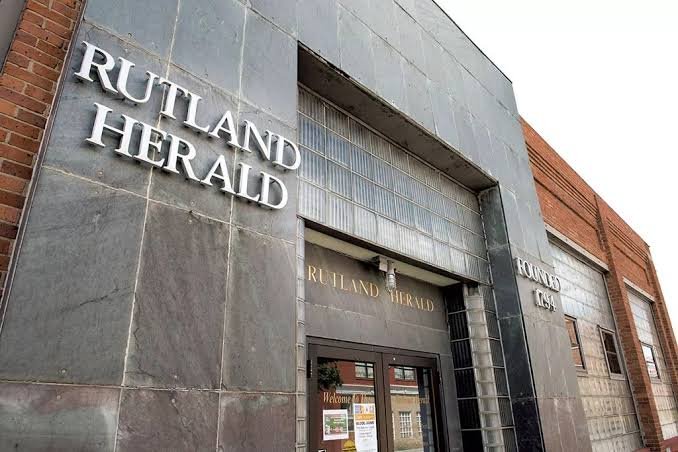

The Rutland Herald is a long-established newspaper based in Rutland, Vermont, with a history that stretches back more than two centuries. Since its beginning in 1794, the publication has played an important role in reporting local developments, sharing community stories, and keeping readers informed about events throughout the region. Its long history reflects the development of journalism in Vermont and the changing ways people receive information.
For generations, newspapers have helped communities understand what is happening around them. They report on public decisions, education, business, sports, culture, and everyday events that influence local life. The Rutland Herald has maintained this community-focused role while adapting to major changes in the newspaper industry, including the growth of websites, digital subscriptions, email newsletters, and social media.
Today, the publication remains a recognizable source of regional information for readers interested in Rutland and surrounding parts of Vermont. Its history, local reporting, and digital presence make it an interesting example of how traditional newspapers continue to serve communities in a changing media environment.
The History of the Rutland Herald
The history of the Rutland Herald began on December 8, 1794, when its first issue was published in Rutland, Vermont. At that time, newspapers were among the most important sources of information available to the public. They provided updates about government, business, agriculture, international developments, and matters affecting everyday life.
The early publication appeared under the name The Rutland Herald or Vermont Mercury. Like many newspapers of its period, it developed through changes in ownership, publishing arrangements, and newspaper titles. Despite those changes, the Herald name remained an important part of its identity.
During the eighteenth and nineteenth centuries, the newspaper industry operated very differently from today. Printing required physical equipment, skilled workers, and considerable time. News travelled slowly, and readers often depended on printed publications to learn about events beyond their immediate communities.
As Rutland and other Vermont communities developed, the newspaper became part of the region’s information network. It documented local developments and provided a place for public discussion. Its long publishing history offers a connection between earlier generations of Vermont residents and modern readers.
From Weekly Publication to Daily Newspaper
The Rutland Herald began as a weekly newspaper. Its early publishing schedule reflected the practical limitations of printing and distributing news during the late eighteenth century. Over time, improvements in printing technology, transportation, and communication changed the newspaper business.
A major development occurred in 1861, when the publication moved to daily newspaper production under George A. Tuttle. This change took place during the American Civil War, a period when readers had a strong interest in political developments, military events, and national affairs.
Daily publication allowed the newspaper to provide more frequent updates and respond to the growing demand for timely information. It also represented an important stage in the development of journalism in Rutland.
The transition from weekly to daily publishing helped establish the Herald as a regular part of community life. Readers could turn to the newspaper for a more consistent account of events, including local announcements, public matters, and developments beyond Vermont.
Local News and Community Reporting
Local journalism is one of the most important functions of a regional newspaper. National news organizations may cover major political developments and international events, but local publications focus on the issues that directly affect individual towns and communities.
The Rutland Herald covers subjects that matter to people living in southern Vermont. Local government, education, public services, business activity, community events, and regional developments are among the topics readers may follow through local reporting.
Community news can help residents understand decisions made by public officials and the responsibilities of local institutions. Reports about town meetings, public projects, school activities, and local organizations provide information that may not receive attention from larger national publications.
This type of coverage also creates a record of community life. Years later, newspaper archives can help readers, researchers, and families understand how a town changed over time.
Coverage Across Southern Vermont
The newspaper has traditionally served readers in Rutland and surrounding communities. Its regional focus gives it an important role in connecting people with information from different parts of Vermont.
Southern Vermont includes communities with different economic activities, local traditions, and public priorities. Residents may be interested in agriculture, tourism, education, manufacturing, small businesses, transportation, and local government.
A regional newspaper can bring these subjects together in one publication. Readers do not have to rely entirely on separate sources to follow developments in nearby towns and counties.
The Rutland Herald’s coverage area has included communities across several Vermont counties. Its regional reporting helps readers understand events that may affect neighbouring towns as well as their own communities.
Politics, Government, and Public Affairs
Government reporting is an essential part of responsible local journalism. Decisions made by elected officials and public institutions can influence taxes, education, transportation, housing, public safety, and other important services.
Newspapers help explain these developments by reporting on meetings, policy discussions, elections, and public decisions. This information gives readers an opportunity to understand what officials are considering and how proposed changes may affect their communities.
The Rutland Herald has a long connection with public affairs reporting in Vermont. Its historical role reflects the importance of newspapers as a source of information and a platform for civic discussion.
Independent journalism also encourages accountability. When public decisions are reported clearly, residents have more information with which to evaluate their representatives and participate in community discussions.
Education and School News
Education is another important subject for local newspapers. Schools, colleges, teachers, students, and families are closely connected to the development of a community.
Local education reporting may include school board decisions, academic programmes, student achievements, sports competitions, construction projects, and changes in educational policy.
These stories are relevant because education affects more than students alone. Families, employers, taxpayers, and local organizations all have an interest in the quality and accessibility of educational opportunities.
Coverage of school events also gives recognition to students and educators whose work contributes to community life. Local newspapers can preserve these stories and make them accessible to readers who want to stay connected with educational developments.
Business and the Regional Economy
Local businesses contribute to employment, investment, tourism, and the overall economic health of a region. Small businesses, family-owned companies, service providers, and larger employers all play a role in shaping local communities.
Business reporting helps readers understand changes in the regional economy. Stories may examine new business openings, company expansions, employment opportunities, commercial development, and challenges affecting local industries.
For entrepreneurs and business owners, local media can also provide a way to reach potential customers and introduce their services to the community.
The Rutland Herald has offered a connection between local businesses and readers through its newspaper and advertising services. As media consumption has changed, print advertising has increasingly existed alongside online marketing opportunities.
Sports and Community Activities
Sports reporting brings another dimension to local journalism. School competitions, regional teams, individual achievements, and community sporting events create stories that attract readers of different ages.
Local sports coverage is particularly valuable because smaller competitions may not receive attention from national media organizations. A regional newspaper can report on athletes, coaches, teams, and events that are meaningful to nearby communities.
Community activities also extend beyond organized sports. Festivals, cultural programmes, public celebrations, charitable events, and local gatherings help create a sense of belonging.
By reporting on these activities, a newspaper provides more than updates about major events. It documents the people and organizations that contribute to the character of the region.
The Importance of Newspaper Archives
Historical newspapers are valuable resources for understanding the past. They contain information about public events, local businesses, family announcements, elections, social changes, and community achievements.
The Rutland Herald has a particularly long publishing history, making its earlier editions interesting to historians, genealogists, students, and local residents.
Newspaper archives can help people research family histories, discover information about former businesses, and examine how public issues developed over time. They can also provide historical context for changes in local neighbourhoods and institutions.
The Rutland Free Library provides access to digital newspaper resources, including a searchable archive of Rutland Herald articles dating from September 30, 1999, to the present. Historical material is also available through other newspaper collections and research resources.
Digitization has made many older newspaper records easier to search than traditional paper collections. Instead of manually examining every printed edition, researchers can often search for names, places, and topics using online databases.
The Move Toward Digital Journalism
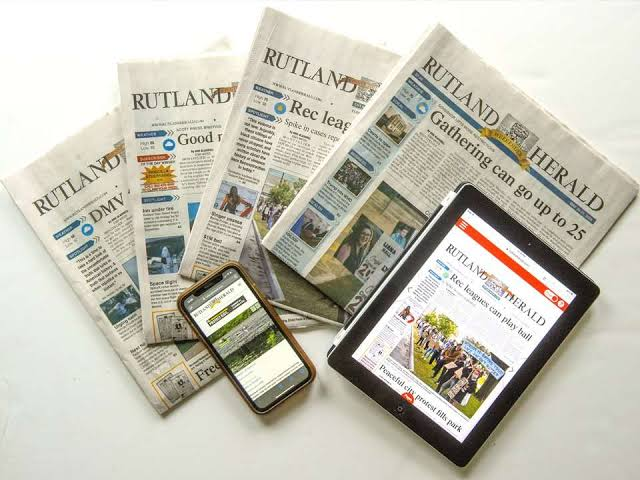
The newspaper industry has experienced major changes since the introduction of the internet. Readers increasingly expect news to be available on computers, tablets, and smartphones.
Digital publishing allows newspapers to distribute information without relying exclusively on printed editions. Online articles can be updated, shared, and accessed by people who live outside the publication’s traditional delivery area.
The Rutland Herald has developed a digital presence alongside its print publication. Readers can visit its website to explore regional news and other available content. Digital channels also give newspapers additional ways to communicate with their audiences.
This transition has changed how journalists work. Newsrooms must consider not only the content of an article but also how it appears on different devices and how readers discover it through search engines, newsletters, and social media.
Newsletters, Podcasts, and Social Media
Modern newspapers use several communication channels to reach their audiences. Email newsletters can provide regular summaries of important developments, allowing readers to receive selected information without visiting a website throughout the day.
Podcasts offer another way to explore news and public issues. Through audio discussions and interviews, publishers can provide context that may not fit easily into a short written article.
Social media platforms also help newspapers share headlines, promote stories, and communicate with readers. These channels make it easier for audiences to discover local reporting and participate in discussions.
The use of multiple platforms does not remove the importance of careful journalism. Accurate reporting, clear writing, and responsible verification remain essential, regardless of whether a story appears in print, online, or through an audio programme.
The Rutland Herald and Journalism Awards
The Rutland Herald has an important place in Vermont’s journalism history. The publication has been recognized for its reporting and has received a Pulitzer Prize, one of the most respected awards in American journalism.
Recognition of this kind highlights the value of strong reporting and the contribution regional news organizations can make to public understanding.
Awards are not the only measure of a newspaper’s importance, however. Consistent coverage of local issues, careful investigation, and meaningful community reporting are also central to its role.
For a regional publication, serving readers over many generations requires a commitment to both journalistic standards and the needs of the community.
Ownership and Changes in the Newspaper Industry
Like many traditional newspapers, the Rutland Herald has experienced changes in ownership and business operations. In 2016, the newspaper and the Barre-Montpelier Times Argus were sold, ending a period of ownership by the Mitchell family that had lasted several decades.
Changes in ownership are part of a wider transformation affecting newspapers throughout the United States. Publishers face rising production expenses, changes in advertising markets, competition from digital platforms, and evolving reader habits.
These pressures have encouraged newspapers to reconsider their business models and develop new ways to serve audiences.
The newspaper’s history demonstrates how regional publications must balance their traditional responsibilities with the practical demands of modern media operations.
Why Local Newspapers Still Matter
Despite the growth of digital media, local newspapers continue to provide an important service. National news platforms are useful for following major developments, but they cannot always offer detailed coverage of smaller communities.
Local reporting helps residents understand the decisions, challenges, and opportunities affecting their towns. It can also give attention to people and organizations that might otherwise remain outside the public conversation.
A strong local newspaper supports informed participation in community life. It provides a shared source of information and creates a record that can be useful to future generations.
For readers interested in Vermont, the Rutland Herald represents a long-standing connection to regional news and local history.
How Readers Can Access the Rutland Herald
Readers interested in the newspaper can visit its official website to explore current coverage and available digital services. Depending on the publication’s current subscription arrangements, some content may require registration or payment.
Print editions provide a traditional newspaper-reading experience, while digital access offers flexibility for people who prefer to read on electronic devices.
Libraries can also be useful resources for accessing older newspaper material. The Rutland Free Library provides information about historical archives and research options for people interested in previous editions.
For researchers, checking archive dates and available access conditions before beginning a project can save time. Some collections offer searchable article text, while others provide scanned newspaper pages or microfilm records.
The Future of the Rutland Herald
The future of the Rutland Herald will be shaped by the same changes affecting the wider news industry. Digital subscriptions, mobile access, online advertising, newsletters, and new storytelling formats are likely to remain important parts of newspaper publishing.
At the same time, the need for trustworthy local information is unlikely to disappear. Communities still need reporting that explains public decisions, examines important issues, and highlights developments that affect everyday life.
A newspaper with a history dating back to 1794 has a distinctive connection to its region. Maintaining that connection requires adapting to new technology while preserving the values that make local journalism useful.
The challenge is to serve both long-time readers who appreciate printed newspapers and newer audiences who prefer digital formats. By continuing to focus on relevant reporting and community information, the publication can remain part of Vermont’s changing media landscape.
Conclusion
The Rutland Herald is more than a newspaper with a long publishing history. Since 1794, it has been connected to the changing lives, institutions, and public discussions of Rutland and southern Vermont. Its development from a weekly publication into a daily newspaper and its later expansion into digital media reflect the wider evolution of American journalism.
Its coverage of local news, government, education, business, sports, and community activities demonstrates why regional reporting remains valuable. Historical archives also provide an important record for people researching Vermont’s past.
As readers continue to change how they access information, the Rutland Herald’s central purpose remains relevant: connecting communities with news and information that matters to their daily lives.
Frequently Asked Questions
What is the Rutland Herald?
The Rutland Herald is a newspaper based in Rutland, Vermont. It reports on local and regional news, public affairs, business, sports, and community developments.
When was the Rutland Herald founded?
The newspaper began publishing on December 8, 1794, making it one of the long-established newspaper publications in the United States.
Where is the Rutland Herald based?
The newspaper is based in Rutland, Vermont, in the United States.
What areas does the Rutland Herald cover?
Its reporting has traditionally focused on Rutland and surrounding communities in southern Vermont.
Can readers access the Rutland Herald online?
Yes. Readers can visit the newspaper’s official website to explore its digital news coverage and available services.
Does the Rutland Herald have historical archives?
Yes. Historical articles and editions can be researched through library resources and newspaper archives. The Rutland Free Library provides information about accessing searchable newspaper records.
What type of news does the Rutland Herald publish?
Its coverage includes local government, education, business, community events, sports, public affairs, and other regional subjects.
Why is the Rutland Herald historically important?
Its publishing history dates back to 1794, and it has documented more than two centuries of changes in Rutland and the surrounding region.