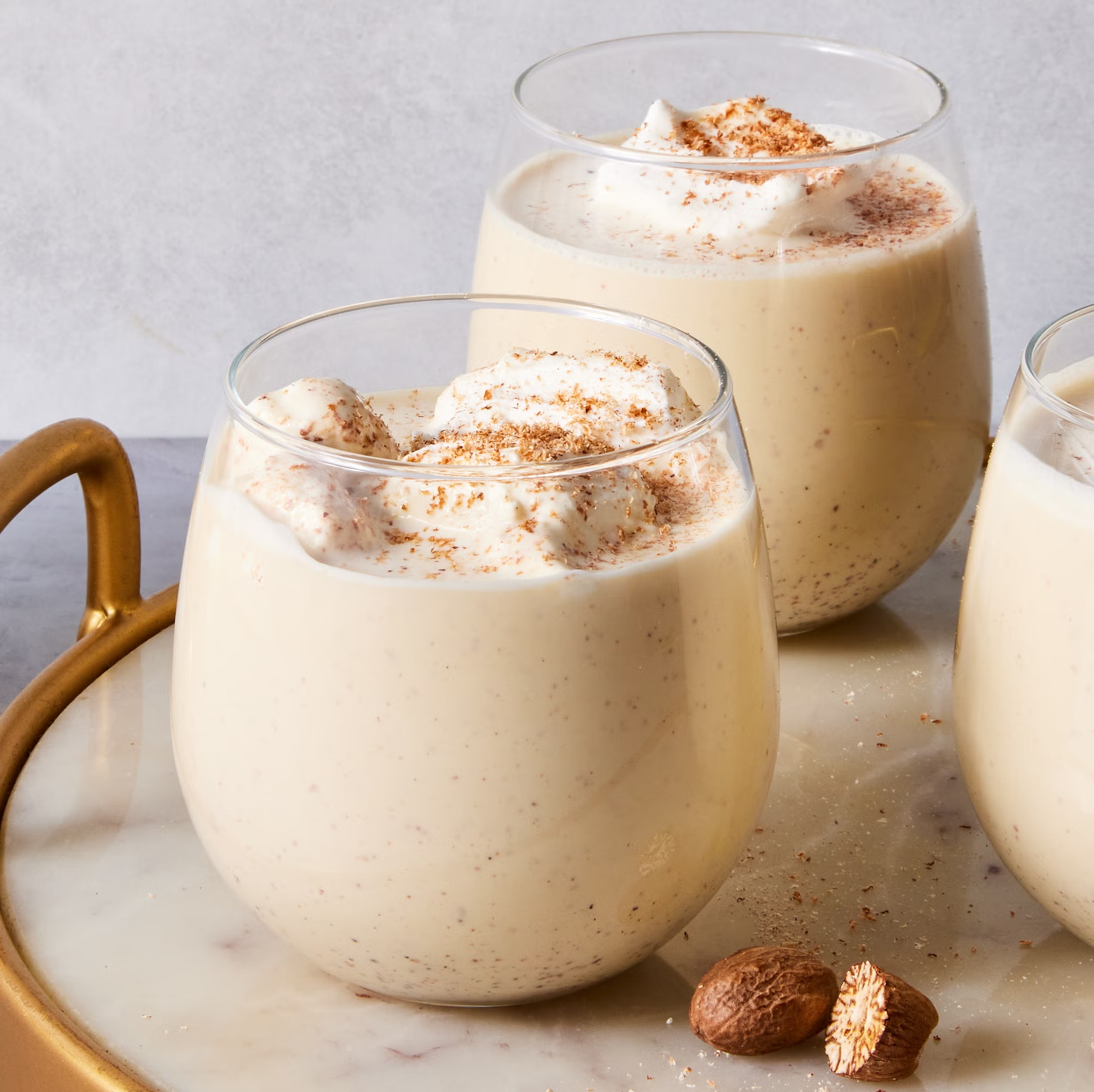

Homemade eggnog is one of those classic holiday drinks that instantly brings a festive feeling to the table. Rich, creamy, lightly spiced, and wonderfully smooth, traditional eggnog is made with a simple combination of eggs, milk, cream, sugar, and warm spices.
Making eggnog at home also gives you control over the ingredients. You can adjust the sweetness, change the spices, choose whole milk or a lighter alternative, and decide whether to make an alcoholic or alcohol-free version. The result is a fresh drink that can be served chilled, gently warmed, or used as an ingredient in holiday desserts.
Whether you are preparing a Christmas breakfast, hosting a winter gathering, or simply craving a comforting seasonal drink, this homemade eggnog recipe is easy enough for beginners and special enough for celebrations.
What Is Homemade Eggnog?
Eggnog is a traditional creamy beverage commonly associated with Christmas and the winter holiday season. Classic recipes usually contain eggs, dairy, sugar, and spices such as nutmeg and cinnamon.
The exact history of eggnog is debated, but the drink has long been associated with European milk- and egg-based beverages and later became especially popular in North America.
Homemade eggnog differs from many store-bought versions because it can be prepared with fresh ingredients and customized according to personal taste. Some recipes cook the egg mixture gently, while others use raw eggs. A cooked version is a practical choice for anyone who wants to reduce the food-safety concerns associated with uncooked eggs.
Homemade Eggnog Ingredients
You do not need a long shopping list to make delicious eggnog. The following ingredients create a classic, rich flavor.
Basic Ingredients
- 4 large egg yolks
- 1/2 cup granulated sugar
- 2 cups whole milk
- 1 cup heavy cream
- 1 teaspoon vanilla extract
- 1/2 teaspoon ground cinnamon
- 1/4 teaspoon ground nutmeg
- A small pinch of salt
For serving, you can add a little freshly grated nutmeg or cinnamon on top.
If you prefer a lighter drink, you can replace some of the heavy cream with additional milk. Keep in mind that using less cream will produce a thinner eggnog.
How to Make Homemade Eggnog
Making homemade eggnog is easier than it may look. The most important step is controlling the heat when combining the eggs and dairy.
Step 1: Whisk the Egg Yolks and Sugar
Place the egg yolks in a medium mixing bowl. Add the sugar and whisk until the mixture becomes smoother and slightly lighter in color.
This step helps the sugar blend evenly into the egg yolks before the warm dairy is introduced.
Step 2: Heat the Milk and Cream
Pour the milk and heavy cream into a saucepan. Add the cinnamon, nutmeg, and salt.
Warm the mixture over medium-low heat until it is hot and steaming, but do not allow it to reach a rolling boil.
Heating the dairy gently helps prevent scorching and gives the spices time to release their aroma.
Step 3: Temper the Eggs
This is the most important part of the recipe.
Slowly pour a small amount of the warm milk mixture into the egg yolks while whisking continuously. Continue adding the hot dairy gradually.
This process is called tempering. It gently raises the temperature of the eggs instead of exposing them suddenly to very hot liquid.
Once the egg mixture is warmed, pour it back into the saucepan.
Step 4: Cook the Eggnog Gently
Return the saucepan to low heat and stir constantly with a wooden spoon or heat-resistant spatula.
Cook until the mixture thickens slightly. For a cooked eggnog, use a food thermometer and heat the mixture to 160°F (71°C).
Avoid boiling the eggnog. Excessive heat can cause the eggs to scramble and create an unpleasant texture.
Step 5: Add Vanilla
Remove the saucepan from the heat and stir in the vanilla extract.
If you notice any small bits of cooked egg, pour the eggnog through a fine-mesh strainer before cooling.
Step 6: Chill and Serve
Allow the eggnog to cool before transferring it to a covered container.
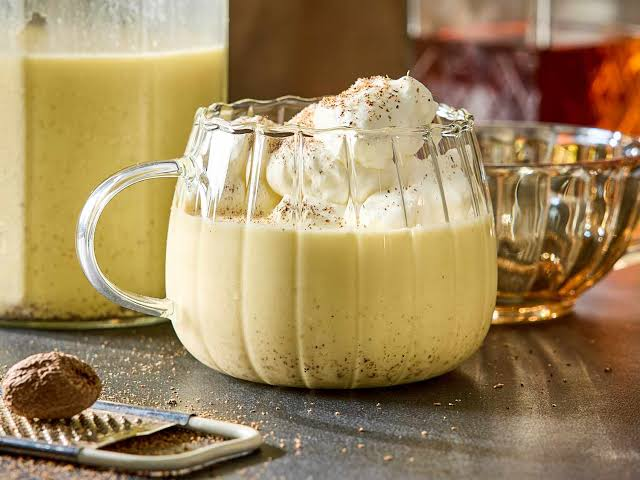
Refrigerate until thoroughly chilled. Serve in glasses with a light sprinkle of nutmeg or cinnamon.
For a warmer winter drink, eggnog can also be gently reheated without boiling.
How to Make Eggnog Without Alcohol
Alcohol is not necessary for delicious eggnog. An alcohol-free version is creamy, flavorful, and suitable for family gatherings.
Simply follow the recipe without adding spirits.
If you want extra flavor, increase the vanilla slightly or add a small amount of freshly grated nutmeg. A little cinnamon can also make the drink taste warmer and more aromatic.
Alcohol-free homemade eggnog is especially convenient when children will be attending a holiday celebration.
How to Make Spiked Homemade Eggnog
For adults who enjoy an alcoholic version, traditional eggnog is often paired with spirits such as rum, bourbon, or brandy.
Add the alcohol after the eggnog has been cooked and removed from the heat. Start with a small amount and taste before adding more.
The spirit should complement the creamy dairy and spices rather than overpower them.
If you are serving eggnog at a gathering, keep the alcoholic and non-alcoholic versions clearly separated and label them appropriately.
The Best Spices for Homemade Eggnog
Nutmeg is probably the most recognizable spice associated with eggnog, but you do not have to stop there.
Nutmeg
Nutmeg provides the warm, slightly sweet flavor traditionally associated with eggnog. Freshly grated nutmeg can offer a stronger aroma than pre-ground spice.
Cinnamon
Cinnamon adds gentle warmth and sweetness. Ground cinnamon works well in the eggnog itself, while a cinnamon stick can be used to infuse the dairy during heating.
Vanilla
Vanilla gives eggnog a smooth dessert-like flavor and balances the spices.
Cloves
A tiny amount of ground cloves can add depth. Because cloves have a strong flavor, use them sparingly.
Allspice
Allspice can provide a more complex holiday spice profile. It works especially well when combined with cinnamon and nutmeg.
Tips for Making Smooth and Creamy Eggnog
The texture of homemade eggnog depends largely on temperature control.
First, avoid overheating the egg mixture. High temperatures can cause the proteins in the eggs to coagulate too quickly.
Second, whisk continuously while tempering the eggs. Gradually adding the hot dairy prevents sudden temperature changes.
Third, strain the finished mixture if necessary. A fine-mesh strainer can remove small pieces of cooked egg and produce a smoother drink.
Finally, give the eggnog enough time to chill. The flavor often becomes richer and more balanced after the ingredients have had time to rest together.
Can You Make Eggnog Ahead of Time?
Yes. Homemade eggnog can be prepared ahead of a holiday gathering, which makes it a convenient party drink.
Prepare the eggnog, cool it promptly, and store it in a clean, covered container in the refrigerator.
Before serving, stir or whisk the drink gently because some separation can occur during storage.
If the eggnog becomes too thick after chilling, a small amount of cold milk can be whisked in to adjust the consistency.
How Long Does Homemade Eggnog Last?
Because homemade eggnog contains dairy and eggs, proper refrigeration is important.
Keep it refrigerated at 40°F (4°C) or below and use clean utensils when serving. For the best quality, consume homemade eggnog within a few days.
Do not leave eggnog sitting at room temperature for extended periods. If you are serving it at a party, keep the main container refrigerated and refill a smaller serving pitcher as needed.
When in doubt about how long a prepared food has been stored, it is safer to discard it.
Can You Freeze Homemade Eggnog?
Eggnog can be frozen, although the texture may change slightly after thawing.
Dairy-based mixtures can sometimes separate during freezing and thawing. If you decide to freeze eggnog, place it in an airtight freezer-safe container and leave some room for expansion.
Thaw it slowly in the refrigerator. After thawing, whisk it thoroughly to bring the texture back together.
For the best creamy consistency, freshly prepared eggnog is usually preferable.
Easy Homemade Eggnog Variations
One of the best things about homemade eggnog is how easy it is to customize.
Chocolate Eggnog
Add a small amount of unsweetened cocoa powder to the warm dairy mixture for a chocolate-inspired variation.
Maple Eggnog
Replace some or all of the granulated sugar with maple syrup. This gives the drink a deeper, more distinctive sweetness.
Coconut Eggnog
Use coconut milk or coconut cream for part of the dairy. A small amount of coconut can give the drink a tropical twist while keeping its holiday character.
Dairy-Free Eggnog
Use plant-based milk and a suitable dairy-free cream alternative. Oat milk, almond milk, and coconut milk can all produce different but enjoyable results.
Vegan Eggnog
A vegan version can be made without eggs or dairy using plant-based milk, coconut cream, sweeteners, vanilla, and warming spices. Blended cashews or another thickening ingredient can help create a creamy texture.
What to Serve With Homemade Eggnog
Eggnog pairs naturally with many holiday foods.
Serve it alongside:
- Gingerbread cookies
- Sugar cookies
- Cinnamon rolls
- Pumpkin bread
- Fruitcake
- Shortbread
- Apple pie
- Chocolate desserts
- Holiday breakfast pastries
Its rich texture makes it especially enjoyable with baked goods that contain cinnamon, vanilla, chocolate, apples, or warm spices.
Common Homemade Eggnog Mistakes to Avoid
Even a simple recipe can go wrong if a few details are overlooked.
Cooking the Eggs Too Quickly
High heat can scramble the egg mixture. Keep the temperature low and stir continuously.
Skipping the Tempering Step
Adding hot dairy directly to cold egg yolks can cause the eggs to cook unevenly. Tempering provides a much smoother transition.
Using Too Much Spice
Nutmeg and cloves can become overpowering. Start with a small amount and adjust to taste.
Serving It Too Warm
Eggnog is usually best when properly chilled. If you prefer warm eggnog, heat it gently rather than boiling it.
Ignoring Food Safety
Eggs and dairy require careful handling. A cooked eggnog is a sensible option for people who want to avoid serving raw eggs.
Frequently Asked Questions About Homemade Eggnog
Is homemade eggnog better than store-bought?
Many people prefer homemade eggnog because they can control the sweetness, spices, dairy, and thickness. It also allows you to use fresh ingredients and adjust the recipe to your preferences.
Does homemade eggnog contain raw eggs?
It depends on the recipe. Some traditional recipes use raw eggs, while cooked versions gently heat the egg mixture. A cooked recipe can be heated to 160°F (71°C) for a safer preparation.
Can children drink homemade eggnog?
Yes, an alcohol-free version can be served to children. For extra food-safety assurance, use a cooked eggnog recipe and keep it properly refrigerated.
Why is my eggnog too thick?
Eggnog can become thicker as it cools. Whisk in a small amount of milk until you reach the desired consistency.
Why did my eggnog curdle?
Eggnog can curdle when the eggs are exposed to excessive heat. Cooking over low heat, tempering the eggs, and stirring constantly can help prevent this problem.
What alcohol goes best with eggnog?
Rum, bourbon, and brandy are traditional choices. The best option depends on your preferred flavor and how strong you want the drink to be.
Final Thoughts on Homemade Eggnog
Homemade eggnog is a comforting holiday classic that combines creamy dairy, rich egg yolks, sugar, vanilla, and warming spices into a festive drink. Although the recipe feels special, it does not require complicated techniques or unusual ingredients.
The key to a successful batch is gentle cooking. Temper the eggs carefully, avoid boiling the mixture, season it gradually, and allow the finished eggnog to chill before serving.
Once you master the basic recipe, you can experiment with chocolate, maple, coconut, dairy-free ingredients, or different spice combinations. Whether served at a Christmas party, enjoyed beside a warm fireplace, or paired with homemade cookies, freshly prepared eggnog can become a memorable part of your holiday traditions.