
Shepherd breeds are among the most intelligent, loyal, hardworking, and versatile dogs in the world. Originally developed to help people manage and protect livestock, these dogs have become popular companions, working dogs, service animals, and family pets. Their natural intelligence and strong work ethic make many shepherd breeds highly trainable, while their loyalty often creates a close bond with their owners.
From the well-known German Shepherd to the energetic Australian Shepherd and the powerful Belgian Malinois, shepherd dogs come in many shapes, sizes, and personalities. Some are excellent for active families, while others are better suited to experienced owners who understand the needs of working breeds.
What Are Shepherd Breeds?
Shepherd breeds are dogs that were developed primarily to herd, guard, or protect livestock. Farmers and shepherds relied on these dogs to move sheep, cattle, and other animals while keeping them safe from predators and preventing them from wandering away.
Over generations, selective breeding produced dogs with valuable characteristics such as intelligence, stamina, alertness, courage, obedience, and responsiveness to human commands. Although many modern shepherd dogs no longer work on farms, these traits remain an important part of their personalities.
Today, shepherd breeds can be found working in police and military roles, search-and-rescue operations, competitive dog sports, therapy work, and family homes.
15 Popular Shepherd Breeds
1. German Shepherd
The German Shepherd is one of the most recognized shepherd breeds worldwide. Known for its intelligence, confidence, loyalty, and versatility, this breed can adapt to many different working roles.
German Shepherds are often used as police dogs, service dogs, search-and-rescue dogs, and family companions. They require regular exercise and mental stimulation because they are naturally active and eager to learn.
Early socialization and consistent training are especially important. With responsible ownership, a German Shepherd can become a devoted and dependable companion.
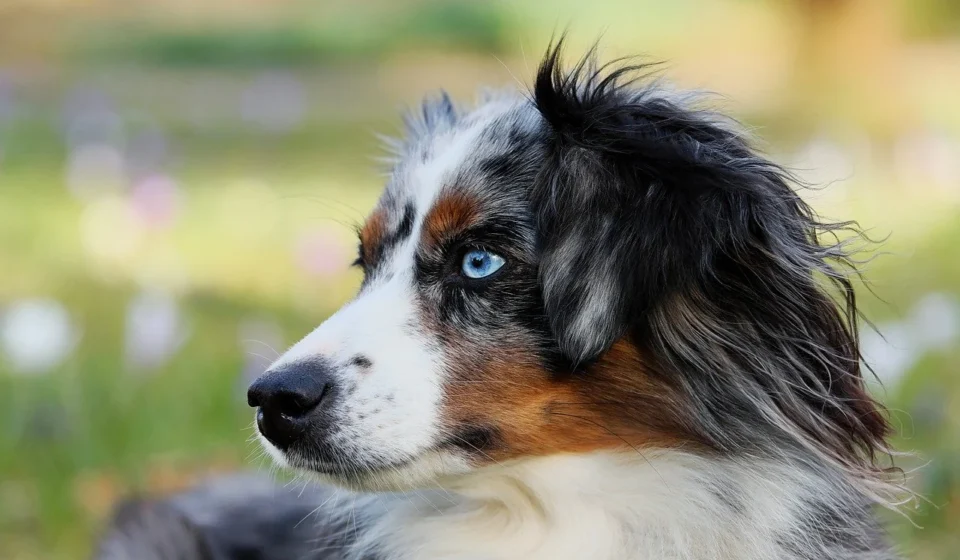
2. Australian Shepherd
Despite its name, the Australian Shepherd was largely developed in the United States. It became popular among ranchers because of its impressive herding ability and energetic nature.
Australian Shepherds are intelligent, athletic, and highly responsive to training. They often enjoy activities such as agility, obedience, hiking, and herding competitions.
This breed is best suited to active households. Without enough exercise and mental stimulation, an Australian Shepherd may become bored and develop unwanted behaviors.
3. Belgian Malinois
The Belgian Malinois is a highly energetic and intelligent working dog. It is one of the four Belgian Shepherd varieties and is particularly respected for its discipline, athleticism, and strong work drive.
Belgian Malinois dogs are commonly associated with police, military, protection, and detection work. They learn quickly and often thrive when given structured tasks.
However, they can be challenging for inexperienced owners. Their high energy levels mean they need regular physical exercise, training, and mental challenges.
4. Border Collie
The Border Collie is widely regarded as one of the most intelligent dog breeds. It was developed primarily for controlling and herding sheep and is famous for its intense focus and responsiveness.
Border Collies are energetic dogs that need more than a short daily walk. Training games, agility, obedience exercises, and interactive activities can help keep their minds occupied.
They can make wonderful companions for active owners who are prepared to provide enough exercise and stimulation.
5. Shetland Sheepdog
The Shetland Sheepdog, commonly called the Sheltie, is a smaller herding breed with a big personality. It originated in the Shetland Islands and was developed to work with livestock.
Shelties are intelligent, affectionate, alert, and eager to please. Their smaller size makes them suitable for many homes, but they still need daily activity.
Their thick coat requires regular brushing to help control shedding and prevent tangles.
6. Belgian Tervuren
The Belgian Tervuren is another variety of Belgian Shepherd. It is recognized for its elegant appearance, intelligence, and strong working ability.
These dogs are energetic and usually form strong bonds with their families. They enjoy obedience training, dog sports, and activities that give them a purpose.
Because of their intelligence and sensitivity, training should be consistent but positive. Boredom can lead to destructive or unwanted behavior.
7. Belgian Sheepdog
The Belgian Sheepdog, also known as the Groenendael, is a striking black-coated shepherd breed. It is intelligent, active, protective, and highly devoted to its family.
This breed has historically worked as a herding and guard dog. Today, Belgian Sheepdogs can participate in obedience, agility, tracking, and other working activities.
They are generally best suited to owners who can provide regular exercise and structured training.
8. Belgian Laekenois
The Belgian Laekenois is the least commonly seen of the four Belgian Shepherd varieties. It has a distinctive rough, wiry coat and an athletic build.
Like other Belgian Shepherds, the Laekenois is intelligent, energetic, and hardworking. It needs regular physical activity and mental stimulation.
Its unusual coat also requires appropriate grooming to keep it healthy and manageable.
9. Old English Sheepdog
The Old English Sheepdog is a large, shaggy breed known for its distinctive coat and gentle personality. Historically, it was used as a drover to help move livestock.
Although its appearance can make it look slow and relaxed, the Old English Sheepdog can be active and playful. It usually enjoys spending time with its family.
Its long coat requires considerable grooming, so prospective owners should be prepared for regular brushing and maintenance.
10. Bearded Collie
The Bearded Collie is a cheerful and energetic Scottish herding breed. Often called a Beardie, it is known for its long coat, playful character, and athletic ability.
Bearded Collies enjoy running, playing, training, and exploring. They can be excellent companions for families with active lifestyles.
Regular grooming is important because their long coat can become tangled if it is not maintained properly.
11. Dutch Shepherd
The Dutch Shepherd is an athletic and versatile working dog from the Netherlands. It has traditionally been used for herding and farm work.
Dutch Shepherds are intelligent, alert, loyal, and adaptable. They can perform well in obedience, tracking, agility, protection, and other activities.
Their natural working instincts mean they benefit greatly from structured exercise and training.
12. Anatolian Shepherd
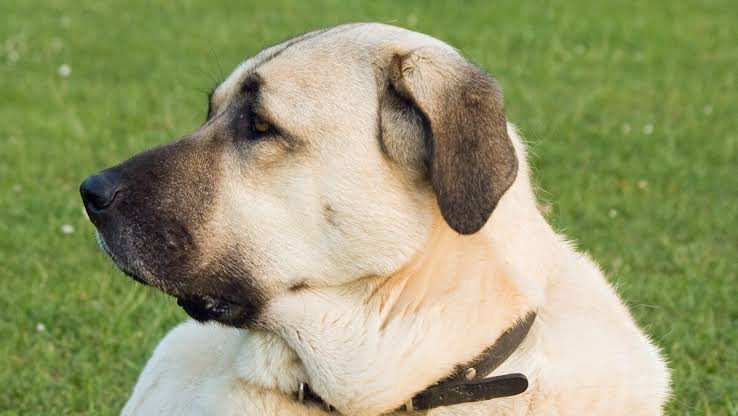
The Anatolian Shepherd is a powerful livestock guardian originally developed in Turkey. Unlike traditional herding dogs that move livestock, this breed primarily protects animals from predators.
Anatolian Shepherds are independent, confident, territorial, and protective. Their size and guardian instincts require responsible handling and early socialization.
They are generally better suited to owners with enough space and experience with large working dogs.
13. Caucasian Shepherd Dog
The Caucasian Shepherd Dog is a large and powerful guardian breed associated with regions around the Caucasus Mountains. It was developed to protect livestock and property.
These dogs are naturally protective and independent. Their impressive size and strength mean that proper training and socialization are essential.
They are not usually the easiest choice for first-time dog owners and require a responsible approach to handling and training.
14. White Swiss Shepherd Dog
The White Swiss Shepherd Dog is known for its beautiful white coat, athletic body, and intelligent personality. It is closely related to white German Shepherd lines.
These dogs can be loyal, affectionate, energetic, and responsive to training. They often enjoy outdoor activities and family interaction.
Regular exercise and positive training can help them become well-mannered household companions.
15. Miniature American Shepherd
The Miniature American Shepherd is a smaller herding breed that shares many characteristics with larger shepherd dogs. It is energetic, intelligent, and eager to participate in activities.
Despite its smaller size, it still needs regular physical and mental exercise. The breed can be a good choice for active owners who want a compact herding companion.
Common Characteristics of Shepherd Dogs
Although shepherd breeds vary significantly, many share several important characteristics.
Intelligence: Most shepherd dogs are quick learners and can understand commands and routines rapidly.
Loyalty: Shepherd breeds often develop strong relationships with their owners and families.
Energy: Many were bred to work for hours, meaning they generally require more exercise than low-energy companion breeds.
Protective instincts: Some shepherd breeds naturally watch over people, livestock, or property.
Trainability: Their history of working closely with humans makes many shepherd dogs highly responsive to training.
Herding instincts: Some may instinctively chase, circle, or attempt to control moving people and animals.
How Much Exercise Do Shepherd Breeds Need?
Most shepherd breeds require regular daily exercise. However, the exact amount depends on the breed, age, health, and individual personality.
A daily routine can include walks, running, hiking, obedience training, fetch, agility exercises, or interactive games. Simply allowing a high-energy shepherd dog to stay in a yard may not provide enough stimulation.
Mental exercise is equally important. Puzzle toys, scent games, training sessions, and learning new commands can help prevent boredom.
Training Shepherd Breeds
Training should begin early, especially with large or naturally protective shepherd dogs. Positive reinforcement is generally an effective approach because many shepherd breeds respond well to rewards, praise, and engaging activities.
Consistency is important. Owners should establish clear rules and maintain them throughout the dog’s life.
Socialization is also essential. Introducing a young shepherd dog to different people, environments, sounds, animals, and experiences can help encourage confident behavior.
Grooming Requirements
Grooming needs differ between shepherd breeds. Dogs with short coats may only require regular brushing, while long-haired breeds can require significantly more maintenance.
German Shepherds, Australian Shepherds, Shelties, and other double-coated breeds may shed heavily during certain periods. Regular brushing helps remove loose hair and keeps the coat in good condition.
Owners should also monitor nails, ears, teeth, and skin as part of a normal grooming routine.
Are Shepherd Breeds Good Family Dogs?
Many shepherd breeds can make excellent family dogs when their physical and mental needs are properly met. They are often affectionate, loyal, intelligent, and eager to participate in family activities.
However, not every shepherd breed is suitable for every household. A highly energetic working dog may struggle in a home where it receives little exercise. Similarly, a powerful guardian breed may require more experienced handling.
Families should consider the dog’s size, temperament, exercise requirements, grooming needs, and natural instincts before choosing a breed.
Choosing the Right Shepherd Breed
Choosing the right shepherd breed depends on your lifestyle. If you enjoy running, hiking, training, or dog sports, an energetic herding breed may be a good match.
If you prefer a quieter lifestyle, selecting a very high-energy working dog may create difficulties. You should also consider how much time you can dedicate to training and grooming.
First-time dog owners should research temperament carefully and seek advice from reputable breeders, rescue organizations, veterinarians, or experienced trainers.
Final Thoughts
Shepherd breeds are remarkable dogs with a long history of working alongside humans. Their intelligence, loyalty, athleticism, and determination have made them valuable farm workers, guardians, service dogs, and beloved companions.
Whether you are interested in a German Shepherd, Australian Shepherd, Border Collie, Belgian Malinois, Dutch Shepherd, or another shepherd breed, understanding its individual needs is essential. The best shepherd dog for you is not necessarily the most popular breed—it is the one whose temperament, energy level, size, and care requirements fit your lifestyle.
With proper training, socialization, exercise, nutrition, veterinary care, and companionship, many shepherd breeds can become loyal and rewarding members of the family.
Frequently Asked Questions About Shepherd Breeds
What is the most popular shepherd breed?
The German Shepherd is one of the most popular and recognizable shepherd breeds. It is valued for its intelligence, loyalty, versatility, and working ability.
Which shepherd breed is easiest to train?
Many shepherd breeds are highly trainable, including German Shepherds, Border Collies, Australian Shepherds, and Belgian Malinois. However, individual temperament and the owner’s training approach also make a significant difference.
Are shepherd dogs good with children?
Some shepherd breeds can be excellent with children when properly trained and socialized. Because individual dogs have different temperaments and herding instincts, supervision and responsible ownership are important.
Do shepherd breeds need a lot of exercise?
Many shepherd breeds have high energy levels and require regular physical activity and mental stimulation. Their exercise needs vary depending on the specific breed, age, and individual dog.
Which shepherd breed is best for a first-time owner?
There is no single best choice for everyone. A first-time owner should consider a breed’s energy, size, training needs, grooming requirements, and temperament before making a decision.